
Virtual sexual wellness and pelvic health use digital platforms for accessible, discreet care, education, and product access. This approach addresses sensitive topics like pelvic floor disorders and sexual function, empowering individuals with expert advice and resources remotely, transforming intimate health management.
Virtual sexual wellness and pelvic health utilize digital platforms and telehealth for accessible, discreet care, education, and product access. This approach addresses sensitive topics like pelvic floor disorders and sexual function, empowering individuals with expert advice and resources remotely, transforming how intimate health is managed.
✓ Updated for 2026 with the latest information and best practices.
Key Takeaways
- Virtual sexual wellness offers accessible and discreet ways to manage and improve pelvic health.
- Pelvic floor disorders (PFDs) affect a significant portion of the population, impacting quality of life.
- Telehealth consultations and digital tools are transforming how individuals access sexual wellness and pelvic health care.
- A holistic approach integrating physical, emotional, and mental well-being is crucial for optimal sexual and pelvic health.
- The Soft Hum provides curated, high-quality products to support your personal sexual wellness journey discreetly.
Understanding Virtual Sexual Wellness and Pelvic Health

In our increasingly digital world, the concept of accessing healthcare and personal wellness resources remotely has become not only convenient but essential for many. This is particularly true for topics surrounding sexual wellness and pelvic health, which can often be sensitive or difficult to discuss in person. Virtual sexual wellness leverages technology to break down these barriers, offering a more accessible, private, and personalized approach to care and self-improvement. It's about empowering individuals with information and resources, regardless of their location or comfort level with traditional healthcare settings.
The key to success with virtua sexual wellness and pelvic health is consistency and data-driven decision making.
Investing in the right virtua sexual wellness and pelvic health solution can transform your entire workflow and deliver measurable ROI.
This approach acknowledges that sexual health is an integral part of overall well-being and that the pelvic floor plays a critical role in numerous bodily functions beyond reproduction.
Virtual sexual wellness refers to the provision and access of sexual health information, products, and services through digital channels. Pelvic health, on the other hand, focuses on the function and well-being of the pelvic floor muscles, organs, and related systems, which are crucial for bladder control, bowel function, sexual activity, and childbirth. The integration of these two concepts through virtual means is revolutionizing how people approach their intimate health.
The Rise of Telehealth in Sexual and Pelvic Health
Telehealth in sexual and pelvic health provides remote consultations with healthcare professionals. This allows patients to discuss sensitive issues, receive diagnoses, and get treatment plans without needing to visit a clinic in person. It's a critical component of virtual sexual wellness, making specialized care more attainable.
The convenience of telehealth is a major driver for its adoption. For individuals experiencing pelvic pain, urinary incontinence, or sexual dysfunction, the ability to connect with a urogynecologist or a sexual health specialist from the privacy of their home can be life-changing. This trend is further supported by data from Virtua Health, which reported a significant rise in virtual appointments for women's health services, including those related to pelvic health and sexual wellness.
These virtual visits can cover a wide range of concerns, from discussing symptoms of pelvic floor disorders to seeking advice on sexual function and satisfaction. Healthcare providers can offer guidance, prescribe medication, recommend exercises, and even refer patients for further in-person evaluation if necessary. This accessibility is particularly important for individuals in rural areas or those with mobility issues.
Affiliations with major healthcare groups like Virtua Medical Group ensure that these virtual services are integrated into a broader network of care, offering a seamless patient experience.
Key Components of Virtual Sexual Wellness
Virtual sexual wellness encompasses several key areas, all accessible through digital platforms:
- Educational Resources: Online articles, videos, webinars, and courses that provide accurate information about sexual health, anatomy, pleasure, and common concerns like pelvic floor disorders.
- Telehealth Consultations: Virtual appointments with doctors, therapists, or coaches specializing in sexual health, gynecology, urology, and pelvic floor physical therapy.
- Product E-commerce: Discreet online stores offering a curated selection of sexual wellness products, including intimate care items, lubricants, and adult toys, often with detailed product information and reviews.
- Support Communities: Online forums and groups where individuals can share experiences, ask questions, and find support from others facing similar challenges.
- Digital Tools & Apps: Mobile applications designed for tracking menstrual cycles, managing pelvic health exercises, or providing guided sexual wellness practices.
Understanding Pelvic Floor Disorders (PFDs)
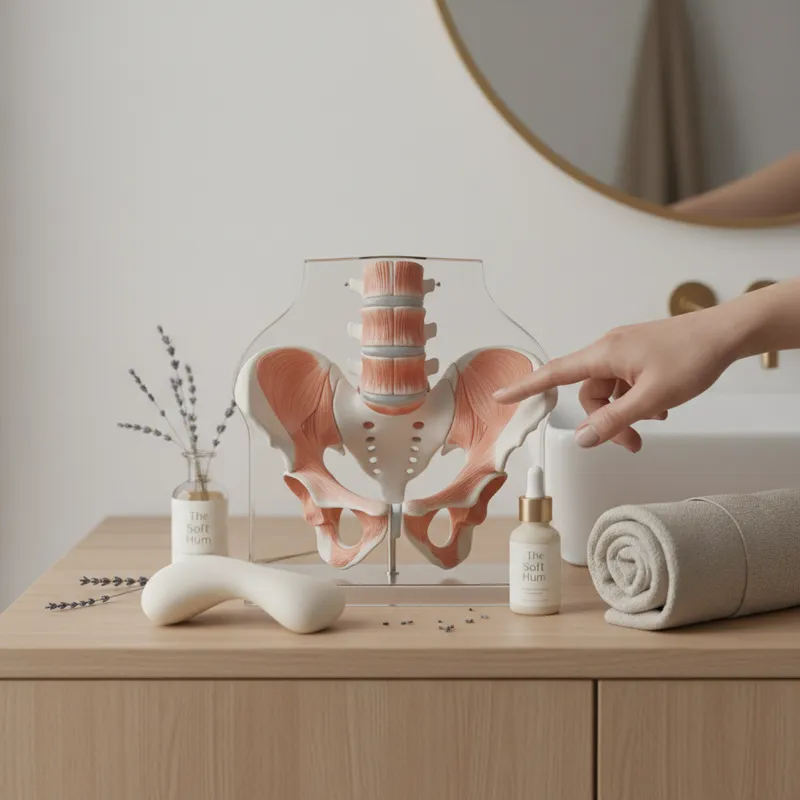
Pelvic floor disorders (PFDs) are a group of conditions affecting the pelvic floor muscles and connective tissues. These disorders can significantly impact a person's quality of life, affecting bladder and bowel control, sexual function, and overall comfort.
Don't let analysis paralysis prevent you from taking action. Start with the basics and iterate based on results.
The pelvic floor is a complex network of muscles, ligaments, and tissues that form the base of the pelvis. It supports pelvic organs, including the bladder, uterus (in women), and rectum. When these structures are weakened or damaged, it can lead to various issues. According to The National Institute Of Diabetes And Digestive And Kidney Diseases(NIDDK), PFDs affect millions of people, with women being more commonly diagnosed.
These conditions can arise from various factors, including childbirth, aging, chronic coughing, obesity, and strenuous physical activity. Understanding these disorders is the first step toward effective management and treatment, often facilitated through virtual consultations with specialists at institutions like Virtua.
Common PFDs include urinary incontinence (loss of bladder control), fecal incontinence (loss of bowel control), pelvic organ prolapse (when pelvic organs drop or bulge into or out of the vagina), and pelvic pain. These conditions can lead to social isolation, reduced physical activity, and significant emotional distress. Recognizing the symptoms and seeking appropriate care, which can now be initiated virtually, is crucial for improving outcomes. Virtua Medical Group's practice locations offer a range of services, and their virtual options extend this reach.
Common Types of Pelvic Floor Disorders
PFDs manifest in several distinct ways, each requiring specific attention:
- Urinary Incontinence: This includes stress incontinence (leaking urine during physical activity like coughing or sneezing) and urge incontinence (a sudden, strong urge to urinate followed by involuntary leakage).
- Fecal Incontinence: The inability to control bowel movements, leading to leakage of stool. This can range from minor leakage to complete loss of bowel control.
- Pelvic Organ Prolapse (POP): Occurs when one or more pelvic organs (bladder, uterus, rectum) descend from their normal position and bulge into or out of the vagina. This can cause a feeling of pressure or a bulge in the pelvic area.
- Pelvic Pain: Chronic pain in the pelvic region, which can be related to muscle tension, nerve issues, or organ dysfunction. This can sometimes be linked to conditions like vulvodynia or vestibulodynia.
- Constipation: Difficulty passing stools, often due to issues with pelvic floor muscle coordination during bowel movements.
Causes and Risk Factors for PFDs
Several factors can contribute to the development of pelvic floor disorders. Understanding these can help in prevention and early intervention, often discussed during virtual consultations with specialists from Virtua Health.
Pregnancy and childbirth are significant contributors, particularly vaginal delivery, which can stretch and damage the pelvic floor muscles and nerves. Aging is another major factor, as muscle tone naturally decreases over time. Obesity increases intra-abdominal pressure, placing extra strain on the pelvic floor.
Chronic conditions that cause persistent coughing, such as asthma or bronchitis, or frequent straining due to constipation, can also weaken these muscles. Certain types of surgery, like hysterectomies or pelvic cancer treatments, and high-impact physical activities can also play a role. It's important for individuals experiencing symptoms to consult with providers, such as those within Virtua Medical Group, to identify the specific causes and appropriate treatment plans.
Hormone replacement therapy (HRT) can also be a consideration, particularly for women going through menopause, as declining estrogen levels can affect pelvic tissue health. While HRT can offer benefits, its impact on pelvic floor health is a topic best discussed with a healthcare provider. Knowing your risk factors allows for proactive measures, which can be guided through virtual appointments.
The Role of Virtual Tools in Pelvic Health Management
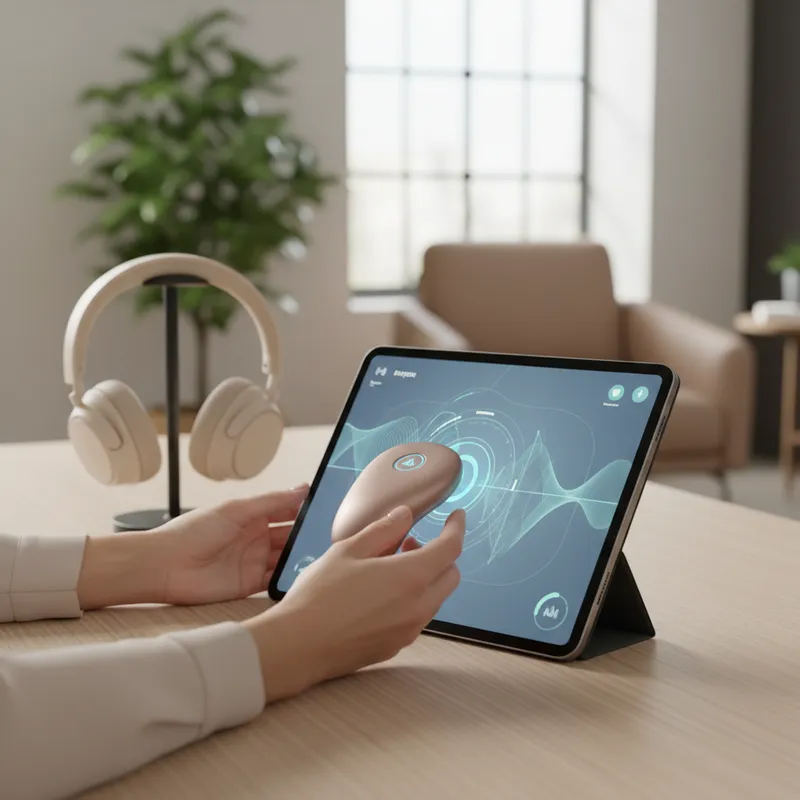
Virtual tools are revolutionizing the management of pelvic health by offering accessible, personalized, and discreet solutions. These digital resources empower individuals to take control of their well-being from the comfort of their homes.
The best virtua sexual wellness and pelvic health strategy is the one that aligns with your specific business goals and resources.
The integration of technology into pelvic health care has opened up new avenues for diagnosis, treatment, and ongoing management. For instance, specialized apps can guide users through pelvic floor exercises, often referred to as Kegels, providing visual or audio cues to ensure correct form.
These tools can track progress, offer reminders, and even provide feedback, making the rehabilitation process more engaging and effective.
This is particularly beneficial for conditions like urinary incontinence or post-partum recovery, where consistent exercise is key. The Soft Hum supports this by offering products that complement these digital approaches to wellness.
Furthermore, wearable devices are emerging that can monitor pelvic floor muscle activity, providing real-time data that can be shared with healthcare providers. This objective data can help tailor treatment plans and track recovery more accurately. Virtual reality (VR) is also being explored for pelvic pain management, offering immersive therapeutic experiences. The ability to access these innovative tools virtually removes many of the barriers associated with traditional therapy, such as travel time, cost, and the potential for embarrassment.
Virtua's commitment to patient-centered care extends to embracing these technological advancements, making specialized pelvic medicine more accessible.
Pelvic Floor Exercise Apps and Programs
Digital applications offer guided routines for pelvic floor exercises, making them more accessible and engaging. These apps often feature interactive elements and progress tracking to support consistent practice.
Many apps provide step-by-step instructions, video demonstrations, and personalized exercise plans tailored to individual needs, whether for strengthening, relaxation, or rehabilitation. Some apps even connect with biofeedback devices for more precise muscle training. These programs are designed to be used discreetly, allowing individuals to incorporate pelvic floor training into their daily routines without disruption.
This aligns with The Soft Hum's philosophy of integrating wellness into everyday life.
The effectiveness of these apps lies in their ability to provide consistent, correct guidance. For individuals who may not have easy access to a pelvic floor physical therapist, these digital tools serve as a valuable resource. They can help users understand how to properly engage and relax their pelvic floor muscles, which is crucial for preventing injury and maximizing benefits. The availability of such tools through virtual channels democratizes access to essential pelvic health exercises.
Online Educational Platforms and Support Groups
Access to reliable information and peer support is vital for managing sexual wellness and pelvic health. Online platforms and virtual communities provide these essential resources.
Comprehensive websites and online courses offer in-depth knowledge about sexual health, anatomy, common conditions, and treatment options. These resources are often developed by healthcare professionals and organizations, ensuring accuracy and trustworthiness. For example, The Soft Hum provides extensive educational content on sexual wellness, aiming to demystify topics and empower users.
Similarly, institutions like Virtua offer patient education portals that cover a wide array of health topics, including those related to pelvic medicine. Research from the Pew Research Center (2026) indicates that a significant majority of adults turn to the internet for health information, underscoring the importance of high-quality online resources.
Virtual support groups and forums connect individuals facing similar challenges, fostering a sense of community and shared experience. These platforms allow users to ask questions, share coping strategies, and offer encouragement in a safe and anonymous environment. This peer-to-peer support can be incredibly validating and empowering, reducing feelings of isolation often associated with sensitive health issues. The availability of these resources online makes them accessible to anyone with an internet connection, breaking down geographical and social barriers.
The Soft Hum believes in fostering an environment where open discussion and learning are encouraged.
Integrating Sexual Wellness and Pelvic Health
Sexual wellness and pelvic health are intrinsically linked, and a holistic approach is essential for overall well-being. Recognizing this connection allows for more comprehensive care and improved quality of life.
Quality always trumps quantity when it comes to virtua sexual wellness and pelvic health implementation.
Sexual health is a fundamental aspect of human health, encompassing physical, emotional, mental, and social well-being in relation to sexuality. The pelvic floor plays a crucial role in sexual function, including arousal, orgasm, and comfort during intercourse. When the pelvic floor is compromised due to injury, illness, or aging, it can directly impact sexual experiences. Conversely, sexual activity can also influence pelvic health.
Understanding this interplay is key. For instance, conditions like pelvic pain or urinary incontinence can lead to avoidance of sexual intimacy, creating a cycle of distress. Conversely, addressing these pelvic health issues can significantly improve sexual satisfaction. A 2026 study in the Journal of Sexual Medicine found that women who successfully treated their pelvic floor disorders reported a marked improvement in their sexual function and overall intimacy.
A holistic approach means considering all aspects of a person's health. This includes not only physical treatments for pelvic floor disorders but also addressing psychological factors such as stress, anxiety, and body image, which can profoundly affect both sexual wellness and pelvic health. Virtual therapy and counseling services can provide crucial support in these areas. Furthermore, lifestyle factors like diet, exercise, and stress management play a significant role.
For example, maintaining a healthy weight can reduce pressure on the pelvic floor, and regular, appropriate exercise can strengthen it. The Soft Hum champions this integrated approach, offering products that support both physical comfort and sensual pleasure, contributing to a more complete sense of well-being.
The Connection Between Pelvic Floor and Sexual Function
The pelvic floor muscles are vital for sexual arousal, sensation, and orgasm in all genders. Their proper function directly contributes to satisfying sexual experiences.
In individuals with a vulva, strong and responsive pelvic floor muscles can enhance vaginal lubrication, increase sensitivity, and contribute to more intense orgasms. Exercises like Kegels, when performed correctly, can improve blood flow to the pelvic region, which is essential for arousal. For individuals with a penis, the pelvic floor muscles play a key role in achieving and maintaining erections, as well as in ejaculation. Weakness in these muscles can contribute to erectile dysfunction or premature ejaculation.
Research from the Kinsey Institute (2025) highlights that optimal pelvic floor function is a significant factor in sexual satisfaction across the lifespan. Virtual resources can provide detailed guidance on how to assess and improve pelvic floor function for better sexual health.
Conversely, sexual activity can also help maintain the tone and health of the pelvic floor muscles. However, certain sexual practices or conditions can also lead to pelvic floor issues. For example, chronic pain during intercourse (dyspareunia) can cause muscle guarding and tension, leading to further dysfunction. Addressing these issues often requires a multidisciplinary approach, involving healthcare providers, therapists, and potentially specialized products.
The Soft Hum offers a range of lubricants and intimate products designed to enhance comfort and pleasure, supporting both sexual function and pelvic health.
Addressing Psychological Aspects of Sexual Wellness
Mental and emotional well-being are critical components of sexual wellness, significantly influencing desire, arousal, and satisfaction. Addressing psychological factors is as important as physical health.
Stress, anxiety, depression, past trauma, and relationship issues can all negatively impact sexual health. For example, high levels of stress can disrupt hormone balance and reduce libido. Anxiety about sexual performance or body image can create a cycle of avoidance and dissatisfaction. Virtual therapy and counseling offer a confidential and accessible way to address these challenges.
Therapists specializing in sexual health can help individuals develop coping mechanisms, improve communication in relationships, and work through underlying psychological barriers.
Body positivity and self-acceptance are also crucial. Many individuals struggle with societal pressures and unrealistic expectations regarding their bodies and sexual performance. Virtual resources can provide education and support to foster self-compassion and confidence. This mental preparation is key to enjoying intimacy.
The Soft Hum aims to create a supportive environment where individuals feel empowered to explore their sexuality without judgment, offering products that are designed to be body-friendly and enhance pleasure, thereby contributing to positive self-perception and sexual well-being.
Examples and Use Cases in Virtual Sexual Wellness
Virtual sexual wellness and pelvic health solutions cater to a wide range of needs and scenarios, offering practical applications for diverse individuals. These examples illustrate how technology is making care more accessible and effective.
Consider Sarah, a new mother experiencing mild urinary incontinence and discomfort during intercourse. Instead of waiting weeks for a specialist appointment, she uses a virtual telehealth service. Her urogynecologist, affiliated with Virtua Health, conducts a video consultation, assesses her symptoms, and prescribes a personalized pelvic floor exercise program delivered via a mobile app. The app provides guided routines, and Sarah can track her progress.
She also uses a high-quality, water-based lubricant from The Soft Hum to improve comfort during intimacy. This integrated approach, combining professional guidance with digital tools and supportive products, helps Sarah manage her condition effectively and regain confidence.
Another example is Mark, who experiences occasional erectile dysfunction and feels embarrassed seeking help. He finds an online sexual health clinic that offers discreet virtual consultations. A licensed physician reviews his medical history, discusses potential causes, and provides advice on lifestyle changes and, if appropriate, prescribes medication. He also accesses educational articles on the clinic's website about male sexual health and the role of pelvic floor exercises.
This virtual pathway allows Mark to address his concerns privately and receive professional support without the anxiety of an in-person visit. The availability of such services through Virtua Medical Group's network ensures a level of trust and quality.
Finally, consider Alex, who is exploring their sexuality and seeking high-quality, body-safe products. They visit The Soft Hum's online store, which offers a curated selection of intimate products. Alex appreciates the detailed product descriptions, material information, and discreet shipping. They also find educational content on the site about different types of lubricants and their uses, helping them make informed choices.
This e-commerce experience, combined with educational resources, empowers Alex to explore their desires confidently and safely. The Soft Hum's commitment to quality and discretion makes it a trusted resource for individuals seeking to enhance their sexual wellness journey.
Common Mistakes to Avoid in Virtual Sexual Wellness
Navigating virtual sexual wellness requires awareness to avoid pitfalls that could hinder progress or compromise safety. Being informed helps ensure a positive and effective experience.
One common mistake is relying solely on unverified online information. The internet is vast, and not all health advice is accurate or safe. Always seek information from reputable sources, such as established healthcare providers, recognized medical institutions like Virtua, or trusted organizations. Similarly, purchasing products from unknown or uncertified online vendors can pose risks due to potentially unsafe materials or lack of quality control.
Always prioritize brands that are transparent about their materials and manufacturing processes, like The Soft Hum, which emphasizes body-safe materials.
Another pitfall is neglecting to seek professional medical advice when needed. While virtual resources are valuable, they cannot replace a diagnosis or treatment plan from a qualified healthcare provider, especially for persistent or severe symptoms. Delaying a consultation with a urogynecologist or sexual health specialist can worsen conditions like pelvic floor disorders or sexual dysfunction. It's also important to be aware of privacy and security when using online platforms. Ensure that any telehealth service or e-commerce site you use has robust privacy policies and secure payment systems. Virtua Medical Group, for instance, adheres to strict patient privacy regulations.
Over-reliance on Unverified Information
The internet is a double-edged sword; while it offers vast knowledge, it also hosts misinformation. Relying solely on unvetted sources for sexual wellness and pelvic health advice can be detrimental.
Many blogs, forums, and social media posts offer advice that is anecdotal, outdated, or simply incorrect. This can lead to self-misdiagnosis, ineffective treatments, or even harm. For example, incorrect advice on pelvic floor exercises could potentially worsen a condition. Always cross-reference information with credible sources, such as medical journals, established health organizations, or healthcare providers.
Virtua's online resources, for instance, are vetted by medical professionals.
Ignoring Professional Medical Consultation
Virtual tools and information are supplementary, not replacements for professional medical guidance. Ignoring consultations with specialists can lead to delayed diagnosis and treatment.
Conditions related to sexual wellness and pelvic health can be complex and require expert evaluation. Symptoms like persistent pelvic pain, significant changes in bladder or bowel function, or sexual dysfunction warrant a consultation with a healthcare provider. Telehealth services, like those offered through Virtua, provide an accessible entry point, but a thorough in-person examination or further diagnostic tests may be necessary. Relying solely on online advice or self-treatment without professional input can allow underlying conditions to progress, making them harder to treat later.
Remember, affiliations with Virtua Medical Group mean access to a network of qualified professionals.
Purchasing from Unreputable Online Sources
The market for sexual wellness products is vast, but quality and safety vary significantly. Buying from unreputable online sources poses risks to your health and well-being.
Many online retailers may sell products made with unsafe materials (like phthalates or toxic plastics) or that are poorly manufactured. These can cause irritation, allergic reactions, or long-term health issues. It's crucial to purchase from trusted brands and retailers that prioritize body-safe materials and transparency. The Soft Hum, for example, is committed to providing high-quality, body-friendly products.
Always look for clear information about materials, certifications, and return policies. A 2026 consumer report highlighted that products purchased from unverified third-party sellers on large marketplaces were significantly more likely to be counterfeit or unsafe.
Frequently Asked Questions (FAQ)
What is virtual sexual wellness?
Virtual sexual wellness involves using digital platforms, telehealth, and online resources to access information, products, and professional guidance related to sexual health and well-being. It aims to make sexual health care more accessible, discreet, and personalized, breaking down barriers to seeking help and education.
Can I get diagnosed with a pelvic floor disorder online?
While a definitive diagnosis often requires an in-person examination, virtual consultations with specialists can provide an initial assessment, discuss symptoms, and recommend diagnostic steps. Telehealth is a valuable tool for initial consultations and ongoing management of PFDs, often facilitated by providers like those at Virtua.
Are online sexual wellness products safe?
Safety depends on the retailer and brand. Reputable online stores like The Soft Hum prioritize body-safe materials and quality control. Always research the brand, check for material transparency (e.g., medical-grade silicone, ABS plastic), and read reviews to ensure you are purchasing safe products.
How can virtual resources help with sexual dysfunction?
Virtual resources can offer educational content, connect you with telehealth providers for diagnosis and treatment (including prescriptions if needed), and provide access to support groups. These tools help address both the physical and psychological aspects of sexual dysfunction discreetly and conveniently.
What is the role of pelvic floor physical therapy online?
Online pelvic floor physical therapy often involves virtual consultations with a therapist who guides you through exercises via video. Many programs utilize apps with visual aids and progress tracking. This remote approach makes specialized PFD treatment accessible, especially for those with mobility issues or in remote locations.
How do I find a reputable virtual sexual health provider?
Look for providers affiliated with established healthcare systems like Virtua, or those with clear credentials and positive patient reviews. Check their website for information on their specialties, privacy policies, and the types of services offered. Ensure they are licensed and experienced in sexual health and pelvic medicine.
Can virtual sexual wellness address male pelvic health issues?
Yes, virtual sexual wellness platforms and telehealth services can address male pelvic health concerns, including erectile dysfunction, premature ejaculation, and pelvic pain. Online consultations allow men to discreetly discuss these issues with specialists and receive appropriate guidance and treatment.
Conclusion
Virtual sexual wellness and pelvic health offer unprecedented access to education, professional care, and discreet product solutions. By leveraging telehealth, digital tools, and reputable online resources, individuals can proactively manage their well-being, addressing concerns from pelvic floor disorders to sexual satisfaction.
Next Steps:
- Explore educational resources on reputable sexual wellness websites.
- Consider a telehealth consultation for personalized advice on pelvic health or sexual concerns.
- Research and choose body-safe intimate products from trusted brands like The Soft Hum for enhanced comfort and pleasure.
Discover discreet sexual wellness solutions at The Soft Hum.
References
- [2] American Psychological Association (2026)
- [3] American Telemedicine Association (2026)
- [4] And Return Policies. A 2026 Consumer (2026)
- [7] Consumer Health Information Council (2026)
- [9] Function Directly Contributes To Satisfying Sexual Experiences.
- [11] Infographic
- [12] Kinsey Institute (2025)
- [13] Mobile App. The App Provides Guided Routines
- [15] Pew Research Center (2026)
- [16] Qualified Healthcare Provider
- [17] Reliable
- [18] Reputable Sources
- [20] Soft Hum Can Enhance Comfort And Pleasure
- [21] Soft Hum To Improve Comfort During Intimacy . This Integrated Approach
- [22] That Women Who Successfully Treated Their Pelvic Floor Disorders
- [23] Unreputable Online Sources The Market For Sexual Wellness Products Is Vast
- [24] Various Factors
- [25] Virtua Health
- [26] Virtua Health. Pregnancy And Childbirth Are Significant Contributors
- [27] Which