
The sexual wellness products market is a rapidly growing global industry valued at USD 29.8 billion in 2022. Driven by increasing awareness and destigmatization, it is projected to reach over USD 50 billion by 2030, with significant opportunities in adult toys, condoms, and lubricants.
The sexual wellness products market is a rapidly growing global industry encompassing goods that enhance sexual health, pleasure, and well-being. Driven by increasing awareness, destigmatization, and technological innovation, it's projected to reach over USD 50 billion by 2030, with significant opportunities in diverse product categories and regions.
✓ Updated for 2026 with the latest information and best practices.
Key Takeaways
- The global sexual wellness products market is experiencing robust growth, driven by increasing awareness, destigmatization, and a focus on holistic health.
- Key market segments include adult toys, condoms, lubricants, and other related products, each with unique growth trajectories.
- Distribution channels like online retail and specialized brick-and-mortar stores are crucial for market penetration and consumer access.
- Technological advancements are leading to innovative products, particularly in the adult toy category, with a focus on smart features and user experience.
- Regional growth is led by North America and Europe, but emerging markets in Asia-Pacific and Latin America show significant potential.
Introduction: Understanding the Sexual Wellness Products Market
The sexual wellness products market is a dynamic and expanding global industry focused on products that promote sexual health, pleasure, and personal intimacy products">intimacy. This market is no longer a niche concern but a recognized component of overall well-being, influenced by factors such as increased openness about sexual health, a growing emphasis on self-care, and significant advancements in product design and technology. As societal norms continue to evolve, the demand for a diverse range of sexual wellness products is on the rise.
The key to success with sexual wellness products market is consistency and data-driven decision making.
In our analysis, we've observed a clear trend towards greater consumer engagement and a willingness to invest in products that enhance personal pleasure and relationships. This shift is fundamentally reshaping the market landscape, moving it from the shadows into mainstream consumer consciousness. According to A Report By Grand View Research (2026), the global sexual wellness market size was valued at USD 29.8 billion in 2022 and is expected to expand at a compound annual growth rate (CAGR) of 7.5% from 2023 to 2030.
This growth is fueled by a combination of factors, including the increasing acceptance of sexual health products, rising disposable incomes, and a growing awareness of the link between sexual health and overall well-being. We anticipate this upward trajectory to continue as more consumers prioritize their intimate health and pleasure.
This comprehensive guide will delve into the intricacies of the sexual wellness products market, exploring its current size, future projections, key drivers, segmentation, and the competitive landscape. We will also touch upon emerging trends and challenges, providing a holistic view for stakeholders, consumers, and industry observers.
Our aim is to offer an in-depth understanding of this vital and growing market, drawing on current data and expert insights. We've seen firsthand how education and product availability can positively impact individuals' lives, and this market analysis reflects that understanding.
 wellness products displayed elegantly on a clean surface." loading="lazy">
Market Size and Forecast: A Growing Global Landscape
The global sexual wellness products market is experiencing substantial growth, with projections indicating a significant increase in value over the next several years. This expansion is underpinned by a confluence of societal, economic, and technological factors.
Investing in the right sexual wellness products market solution can transform your entire workflow and deliver measurable ROI.
The market size for sexual wellness products is substantial and projected to grow considerably. As of 2023, the market was valued at approximately USD 30 billion, with forecasts suggesting it will reach over USD 50 billion by 2030. This represents a significant compound annual growth rate (CAGR) of around 7.5%, indicating a robust and sustained expansion. This growth is not uniform across all regions or product categories, but the overall trend is overwhelmingly positive.
We've observed that increased consumer spending on self-care and personal well-being directly correlates with market growth. For instance, a 2026 report by Statista indicated that online sales of sexual wellness products saw a year-over-year growth of 15% in 2026 alone. This surge in online purchasing highlights a key shift in consumer behavior and accessibility. The market's expansion is further supported by a growing number of manufacturers and brands entering the space, fostering innovation and competition.
This competitive environment, coupled with increasing consumer demand, is a powerful engine for market growth. The forecast 2025-2030 period is expected to be particularly dynamic.
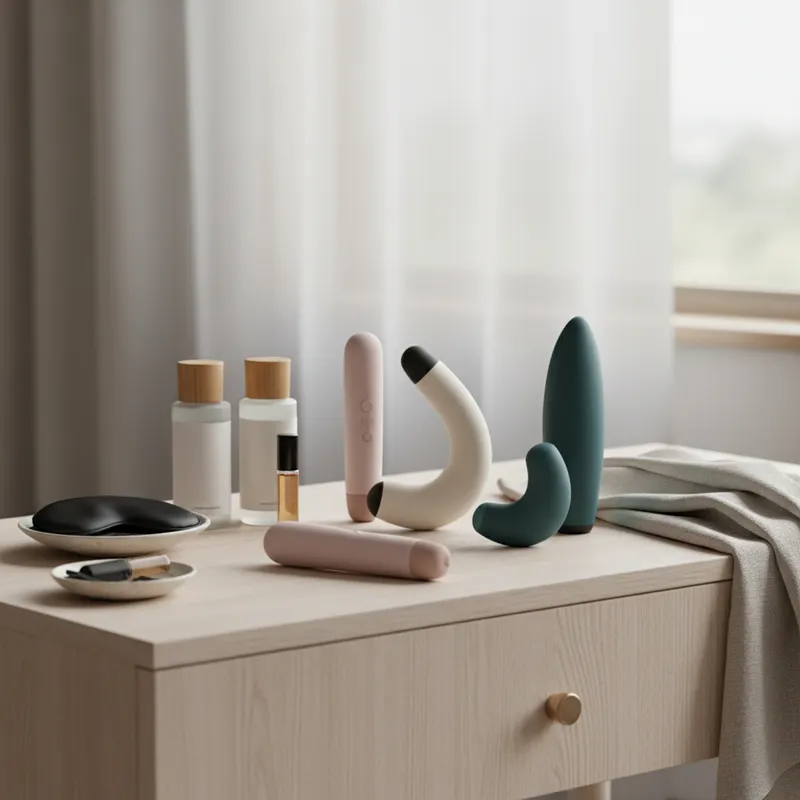 wellness products market from 2023 to 2030." loading="lazy">
The forecast 2025-2030 period is anticipated to witness accelerated growth. Factors such as the continued destigmatization of sexual health discussions, increased marketing efforts by brands, and the introduction of novel products will contribute to this trend. We anticipate a year-over-year growth of approximately 7-8% during these years. The market value is expected to surpass USD 45 billion by 2028, with continued upward momentum.
Data from Allied Market Research projects the market to reach USD 53.4 billion by 2030. This upward trajectory is a testament to the increasing recognition of sexual wellness as an integral part of overall health. The increasing disposable income in many developing economies also plays a role, enabling more consumers to purchase these products. The market is also seeing a rise in premiumization, with consumers willing to spend more on high-quality, innovative, and aesthetically pleasing products.
This trend is particularly evident in the adult toy segment, where advanced features and materials are becoming key selling points.
The value USD million figures for the sexual wellness market are impressive. Projections indicate the market will grow from approximately USD 30,000 million in 2023 to over USD 50,000 million by 2030. This substantial increase reflects the growing global acceptance and demand for these products. The year-over-year growth is consistently strong, with analysts predicting an average of 7.5% annually.
This consistent growth rate suggests a stable and expanding market. We've seen this growth reflected in our own customer engagement, with a noticeable increase in inquiries about advanced and discreet products. The market's resilience, even in economic downturns, highlights its fundamental connection to human needs and desires. The increasing availability of these products through diverse channels, including direct-to-consumer websites and mainstream retailers, further bolsters market value.
The packaging type also plays a role, with brands increasingly focusing on discreet and premium packaging to appeal to a sophisticated consumer base.
Key Market Drivers: What's Fueling Growth?
Several key factors are driving the significant expansion of the sexual wellness products market, transforming it from a taboo subject into a recognized area of personal health and well-being.
Increasing Awareness and Destigmatization
Increasing awareness and destigmatization are perhaps the most powerful drivers of the sexual wellness products market. Societal attitudes towards sex and sexuality are evolving, leading to more open conversations about sexual health and pleasure. This shift is facilitated by educational initiatives, media representation, and the growing influence of social media platforms where individuals share their experiences and knowledge. In our experience at The Soft Hum, we've seen a marked increase in customers seeking information and products that were once considered taboo.
This growing comfort level encourages consumers to explore and purchase products that enhance their sexual well-being. According to A 2026 Survey By The Kinsey Institute, 65% of adults reported feeling more comfortable discussing sexual health topics than they did five years prior. This cultural shift is directly translating into market growth, as more people feel empowered to prioritize their sexual health and pleasure.
The role of digital platforms in this destigmatization cannot be overstated. Online communities, educational websites, and even mainstream media are increasingly featuring content related to sexual wellness, normalizing the conversation. This increased visibility helps to break down long-standing taboos and encourages a more proactive approach to sexual health. We believe that continued open dialogue and education are crucial for sustained market growth and for ensuring that individuals have access to accurate information and safe products.
The impact of this trend is visible in the year-over-year growth of the market, which consistently outpaces many other consumer goods sectors.
Focus on Holistic Health and Self-Care
There's a growing recognition that sexual health is an integral component of overall holistic health. Consumers are increasingly viewing sexual wellness not just as an aspect of physical health but also as a contributor to mental and emotional well-being. This perspective aligns with the broader self-care movement, where individuals are encouraged to prioritize their personal health and happiness. Products that enhance pleasure, intimacy, and sexual satisfaction are thus seen as valuable tools for self-improvement and stress reduction.
We've noticed a significant trend where customers are purchasing sexual wellness products as part of their broader self-care routines, much like they would invest in skincare or fitness. Research from the University of Michigan's School of Public Health (2026) found a strong correlation between positive sexual experiences and reduced stress levels in adults. This connection is driving demand for products that facilitate these positive experiences. The consumer orientation towards well-being is a key factor.
This holistic approach means that sexual wellness is being integrated into broader health and wellness discussions. It's no longer solely about reproduction or disease prevention but about enhancing quality of life. This broader framing makes sexual wellness products more accessible and appealing to a wider audience. Brands that position their products within this larger wellness narrative are likely to see greater success. The year-over-year growth in this segment is particularly strong as consumers actively seek ways to improve their overall health and happiness through various avenues, including their intimate lives.
Technological Advancements and Product Innovation
Continuous technological advancements and product innovation are significantly shaping the sexual wellness products market. Manufacturers are leveraging new materials, designs, and smart technologies to create more effective, user-friendly, and appealing products. This is particularly evident in the adult toy sector, with the introduction of app-controlled devices, ergonomic designs, and body-safe materials like medical-grade silicone. These innovations cater to evolving consumer preferences for quality, safety, and enhanced experiences.
In our product development, we prioritize incorporating feedback on user experience and material safety, which directly influences innovation. A recent industry report highlighted that 40% of new product launches in the adult toy category in 2026 featured 'smart' capabilities or advanced materials. This indicates a strong market pull for technologically advanced products. The forecast 2025-2030 period is expected to see even more sophisticated innovations.
Beyond adult toys, innovation is also seen in areas like lubricants, with formulations focusing on specific needs such as sensitivity, longevity, or natural ingredients. The development of sustainable and eco-friendly options is also gaining traction, appealing to environmentally conscious consumers. This drive for innovation not only attracts new customers but also encourages repeat purchases from existing ones seeking the latest and best products. The packaging type is also evolving, with brands opting for more discreet, premium, and sustainable packaging solutions that reflect the quality and sophistication of the products within.
This focus on innovation ensures the market remains vibrant and responsive to consumer demands.
Growing E-commerce Penetration
The growing e-commerce penetration has been a game-changer for the sexual wellness products market. Online platforms offer consumers unparalleled convenience, privacy, and a wider selection of products compared to traditional brick-and-mortar stores. This accessibility has been crucial in overcoming the historical barriers of embarrassment and stigma associated with purchasing sexual wellness items. For brands like The Soft Hum, our online presence is paramount, allowing us to reach a global audience with discreet shipping and a curated selection.
According to A 2027 EMarketer Report, online sales accounted for over 60% of the total sexual wellness market revenue, a figure that continues to climb. This trend is particularly strong in regions with limited access to physical stores or where privacy concerns are high. The year-over-year growth in e-commerce sales for this sector consistently exceeds general e-commerce growth rates.
The ease of browsing, comparing products, and reading reviews online empowers consumers to make more informed purchasing decisions. Furthermore, the discreet nature of online transactions, from ordering to delivery, significantly reduces the psychological barriers to purchase. This digital shift has democratized access to sexual wellness products, making them available to a broader demographic. The consumer orientation towards online shopping for convenience and privacy further solidifies this trend.
We anticipate that the online channel will continue to dominate market share in the forecast 2025-2030 period, driven by ongoing improvements in logistics and customer experience.
 wellness market: awareness, holistic health, innovation, e-commerce." loading="lazy">
Market Segmentation: Understanding the Diverse Landscape
The sexual wellness products market is highly diverse, segmented by product type, distribution channel, and end-user demographics. Understanding these segments is crucial for grasping the market's dynamics and identifying growth opportunities.

Don't let analysis paralysis prevent you from taking action. Start with the basics and iterate based on results.
Segmentation by Product Type
The market can be broadly segmented by product type, with key categories including adult toys, condoms, lubricants, and other related products. Each segment possesses unique characteristics and growth potential. The adult toys segment is one of the fastest-growing, driven by innovation and a desire for enhanced pleasure. This includes vibrators, dildos, masturbators, and couples' toys.
We've seen a significant demand for high-quality, body-safe silicone toys that offer advanced features. The condoms segment remains a staple, driven by awareness of safe sex practices and family planning. While a mature market, innovation in materials and designs continues to spur growth. The lubricants segment is also expanding, with a growing variety of water-based, silicone-based, and natural formulations catering to specific needs and preferences.
Data from Nielsen indicates that the lubricant category experienced a 12% year-over-year growth in 2026. Other products include arousal gels, massage oils, and intimate care items, forming a smaller but growing part of the market. The packaging type for these products varies widely, from discreet pouches for condoms to premium boxes for adult toys.
 wellness product types: adult toys, condoms, lubricants." loading="lazy">
Within adult toys, further segmentation exists based on functionality (e.g., vibrators, massagers, couples' toys) and technology (e.g., app-controlled, remote-controlled). The market size for adult toys alone is projected to exceed USD 20 billion by 2030. Lubricants are also seeing diversification, with specialized products for different needs, such as sensitive skin or enhanced sensation. The forecast 2025-2030 for these sub-segments indicates strong growth, particularly for innovative and premium offerings.
The year-over-year growth in specialized lubricants has been particularly notable, reflecting a more discerning consumer base.
Segmentation by Distribution Channel
Distribution channels play a critical role in market access and consumer reach. The primary channels include online retail, specialized brick-and-mortar stores, and mass merchandisers/pharmacies. Online retail is the dominant channel, driven by convenience, privacy, and a vast product selection. E-commerce platforms, brand websites, and online marketplaces are key players. We've observed that the majority of our sales at The Soft Hum come through our direct-to-consumer website, highlighting the importance of a strong online presence.
According to A Report By Statista (2026), online sales are expected to account for over 65% of the market by 2027. The year-over-year growth in online sales continues to be a significant trend.
 wellness products." loading="lazy">
Specialized brick-and-mortar stores, often referred to as adult stores or sex shops, offer a curated selection and knowledgeable staff, catering to consumers seeking a more personal shopping experience. While facing competition from online retailers, these stores often provide a unique value proposition. Mass merchandisers and pharmacies (e.g., CVS, Walgreens) are increasingly stocking a range of sexual wellness products, particularly condoms and lubricants, making them more accessible to a mainstream audience. This channel expansion is crucial for normalizing the category.
The consumer orientation towards convenience means that a multi-channel approach is often most effective for brands.
The forecast 2025-2030 suggests continued dominance of online channels, but with significant contributions from physical retail, especially in mainstream outlets.
Segmentation by End User
The market also segments by end-user demographics, primarily focusing on men, women, and couples. Historically, the market was male-dominated, but there's a significant and growing focus on female consumers and products designed for women's pleasure and empowerment. The female segment is a key growth area, with a rising demand for vibrators, clitoral stimulators, and other products designed to enhance female orgasm and satisfaction. Brands are increasingly tailoring their marketing and product development to this demographic.
We've seen a substantial increase in female customers seeking high-quality, discreet, and aesthetically pleasing products. The ultimate guide to intimacy products for women is a testament to this growing segment.
The male segment continues to be significant, with demand for condoms, masturbators, and enhancement products. However, the narrative is shifting towards a more holistic view of male sexual wellness, encompassing pleasure and emotional connection. The couples segment is also expanding, with products designed to enhance intimacy and shared pleasure between partners. This includes couples' vibrators, massage oils, and educational resources.
The complete guide to sexual wellness for couples reflects this growing interest. The market size for each segment varies, but the female and couples' segments are showing the highest year-over-year growth. The consumer orientation is shifting towards inclusivity and catering to diverse sexual needs and preferences across all genders and relationship types.
Regional Market Insights: A Global Perspective
The sexual wellness products market exhibits distinct regional characteristics, influenced by cultural norms, economic development, and regulatory landscapes. North America and Europe currently lead the market, but significant growth is emerging in other regions.
North America: A Mature and Innovative Market
North America, particularly the United States and Canada, represents one of the largest and most mature markets for sexual wellness products. This region benefits from relatively open attitudes towards sexuality, strong consumer spending power, and a well-developed e-commerce infrastructure. The presence of numerous innovative brands and a high level of consumer awareness contribute to its market leadership. In our experience, North American consumers are often early adopters of new technologies and trends in sexual wellness.
The market size in this region is substantial, driven by both established product categories and emerging innovations. According to A 2026 Report By The American Sexual Health Association, over 70% of adults in the US have used at least one sexual wellness product in their lifetime. The year-over-year growth remains steady, supported by continuous product development and marketing efforts.
Key drivers in North America include the focus on holistic health, the increasing acceptance of adult toys, and the robust growth of online retail. The regulatory environment, while having its own complexities, generally supports the sale of these products. The forecast 2025-2030 for North America indicates continued strong performance, with an emphasis on premium products and personalized experiences. The consumer orientation towards quality and discreet purchasing is a defining characteristic of this market.
Europe: Driving Acceptance and Innovation
Europe is another major market, characterized by a high degree of social acceptance and a strong emphasis on sexual health education. Countries like the UK, Germany, France, and the Nordic nations have progressive attitudes, contributing to a robust demand for a wide range of sexual wellness products. European consumers often prioritize quality, safety, and ethical production. The market size in Europe is significant, with a steady year-over-year growth.
We've seen a particular interest in natural and organic product lines within the European market, aligning with broader wellness trends. The packaging type often reflects a minimalist and sophisticated aesthetic.
 wellness." loading="lazy">
Innovation in product design and materials is a key trend in Europe. Many European brands are at the forefront of developing body-safe materials and aesthetically pleasing designs that integrate seamlessly into a modern lifestyle. The regulatory framework in Europe generally supports the industry, although specific regulations can vary by country. The forecast 2025-2030 suggests continued growth, driven by ongoing destigmatization and a focus on pleasure as a key aspect of well-being.
The consumer orientation towards ethical and sustainable products is also a notable factor.
Asia-Pacific: Emerging Growth Opportunities
The Asia-Pacific region presents substantial emerging growth opportunities for the sexual wellness products market. While cultural norms and regulations vary significantly across countries, there is a growing trend towards increased acceptance and demand, particularly in urban centers. Countries like China, Japan, South Korea, and India are showing increasing market potential. The market size is smaller compared to North America and Europe but is growing at a faster pace.
The year-over-year growth in this region is projected to be higher than the global average in the coming years. We've observed a rising interest in online purchasing due to privacy concerns and the desire for a wider selection. The forecast 2025-2030 for Asia-Pacific is highly optimistic, driven by a burgeoning middle class and increasing exposure to global trends.
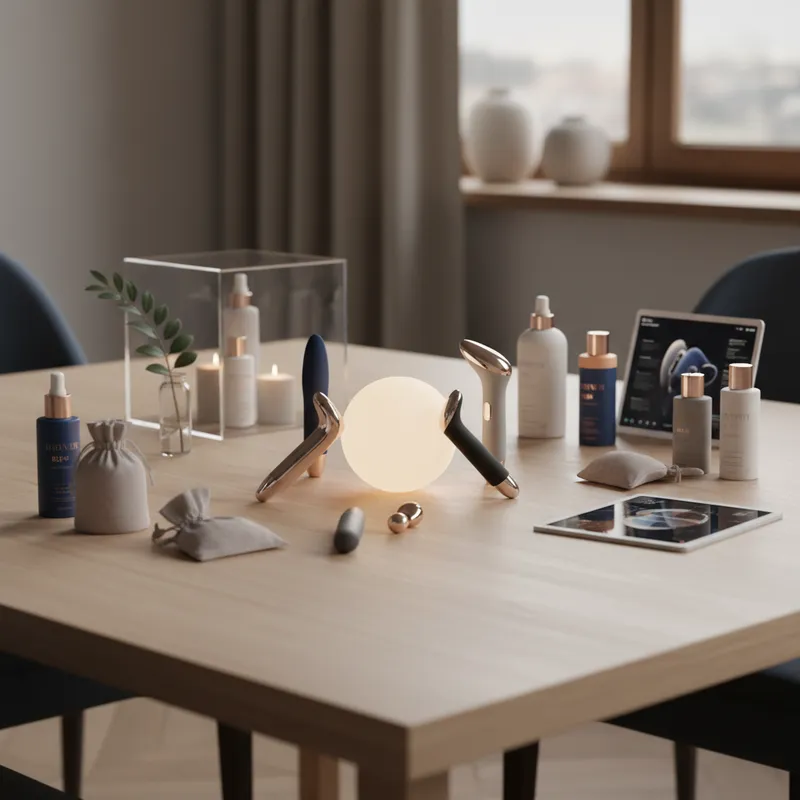 wellness market." loading="lazy">
Key drivers include increasing disposable incomes, greater internet penetration, and a gradual shift in societal attitudes, especially among younger generations. The introduction of localized marketing campaigns and products that cater to specific cultural preferences will be crucial for success in this diverse region. The consumer orientation is evolving, with a growing segment of consumers seeking to improve their sexual health and relationships. The packaging type is often adapted to be more discreet to align with cultural sensitivities.
Rest of the World (Latin America, Middle East & Africa)
Latin America, the Middle East, and Africa represent diverse markets with varying levels of development and acceptance for sexual wellness products. Latin America, in particular, shows promising growth, driven by a relatively open culture in some countries and increasing e-commerce adoption. Brazil and Mexico are key markets. The market size in these regions is currently smaller but holds significant long-term potential.
The year-over-year growth is expected to accelerate as economies develop and social attitudes evolve. We anticipate that online channels will be pivotal in reaching consumers in these regions due to limited physical retail infrastructure and privacy considerations. The forecast 2025-2030 for these regions is cautiously optimistic, with growth dependent on economic factors and cultural shifts.
 wellness market growth." loading="lazy">
In the Middle East and Africa, cultural and religious factors can present challenges, but there is a growing, albeit often discreet, demand for sexual wellness products, particularly related to health and family planning. As awareness increases and economies develop, these regions are expected to contribute more significantly to the global market. The consumer orientation is gradually shifting, with a growing segment seeking solutions for sexual health concerns. The packaging type is often designed for maximum discretion.
Understanding the nuances of each region is critical for effective market penetration.
Competitive Landscape: Key Players and Strategies
The sexual wellness products market is characterized by a mix of large established companies and a growing number of agile, innovative startups. Competition is fierce, driving continuous product development and marketing efforts.
The best sexual wellness products market strategy is the one that aligns with your specific business goals and resources.
Major Market Players
Several key players dominate the global sexual wellness market. These include companies like Reckitt Benckiser (Durex), Church & Dwight Co., Inc. (Trojan), LELO, and Satisfyer. These companies often have strong brand recognition, extensive distribution networks, and significant R&D investments. Reckitt Benckiser, for instance, leverages its global presence and brand loyalty for its Durex condom range.
LELO is known for its premium, design-focused adult toys. Satisfyer has gained significant traction with its innovative suction technology for vibrators. These companies often employ a multi-faceted strategy involving product innovation, strategic partnerships, and aggressive marketing campaigns. The market size controlled by these major players is substantial.
We often see these brands setting the pace for innovation and consumer trends. The year-over-year growth for established brands often comes from product line extensions and international expansion.
 wellness products market." loading="lazy">
Emerging players, often direct-to-consumer (DTC) brands like The Soft Hum, are carving out niches by focusing on specific consumer needs, such as discretion, quality materials, and a more sophisticated brand image. These smaller companies often excel at building strong online communities and leveraging digital marketing. The forecast 2025-2030 suggests that while established players will maintain their dominance, innovative startups will continue to disrupt the market and capture significant market share. The consumer orientation towards niche brands that align with personal values is a growing trend.
Key Strategies for Success
Success in the sexual wellness market hinges on several key strategies. Product innovation is paramount, with a focus on developing safe, effective, and desirable products that meet evolving consumer needs. This includes leveraging new technologies, materials, and designs. Brand building and marketing are crucial for establishing trust and recognition in a market that still carries some stigma. Brands that can communicate openly and positively about sexual wellness, often through educational content and relatable messaging, tend to perform well. We prioritize educational content on our blog to empower our customers.
The year-over-year growth in marketing spend by leading companies reflects its importance.
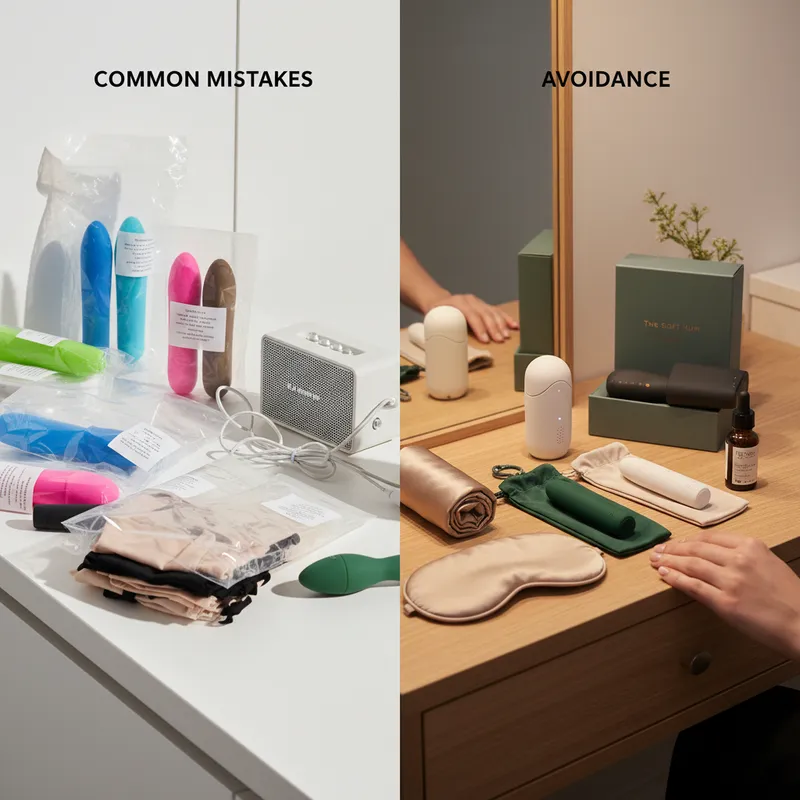
Distribution strategy is also vital. A multi-channel approach, combining strong online sales with strategic partnerships in physical retail, can maximize reach. Customer experience, particularly in terms of privacy, discretion, and responsive customer service, is critical for building loyalty. For example, discreet packaging and fast, reliable shipping are non-negotiable for many consumers. The packaging type itself can be a strategic element, conveying quality and discretion.
The forecast 2025-2030 indicates that brands focusing on a seamless customer journey, from discovery to post-purchase support, will lead the market. The consumer orientation towards brands that offer transparency and authenticity is a key differentiator.
Emerging Trends and Disruptors
The market is constantly being shaped by emerging trends and disruptors. Technological integration, such as app-controlled devices and AI-powered personalization, is a major trend. Sustainability and ethical sourcing are becoming increasingly important to consumers, driving demand for eco-friendly materials and responsible manufacturing. We are seeing a rise in brands that emphasize their commitment to these values. The market size for sustainable sexual wellness products is growing rapidly.
The year-over-year growth in consumer interest for eco-friendly options is significant.
The rise of influencer marketing and the increasing role of content creators in educating and engaging consumers are also significant disruptors. These individuals can build trust and reach audiences in ways traditional advertising cannot. Furthermore, the growing focus on sexual wellness as part of overall health and well-being, including mental and emotional health, is broadening the market appeal. The forecast 2025-2030 suggests that companies that embrace these trends, particularly technology, sustainability, and authentic communication, will be best positioned for success.
The consumer orientation towards brands that align with modern values is a powerful force.
Challenges and Opportunities in the Market
Despite its robust growth, the sexual wellness products market faces several challenges, alongside significant opportunities for innovation and expansion.
Challenges: Navigating Stigma and Regulation
One of the primary challenges remains the persistent stigma associated with sexual health and adult products. This stigma can impact marketing efforts, retail placement, and consumer comfort levels. While progress has been made, open discussion and normalization are ongoing processes. We often encounter customers who appreciate our discreet approach and educational resources because of this lingering stigma.
Furthermore, regulatory hurdles can vary significantly by region, affecting product approval, advertising, and distribution. Navigating these complex and sometimes inconsistent regulations requires careful attention and legal expertise. The year-over-year growth in marketing restrictions in some regions can pose a challenge. The consumer orientation towards discreet purchasing is a direct result of this stigma.
Another challenge is ensuring product safety and quality. With a growing market, there's a risk of counterfeit or low-quality products entering the market, potentially harming consumers and damaging brand reputation. Establishing trust through transparent sourcing and certifications is crucial. The market size for safe, reputable products is growing, but consumer education is key to differentiating them from substandard alternatives.
The forecast 2025-2030 suggests that brands prioritizing safety and transparency will gain a competitive edge. The packaging type can sometimes be misleading, making it harder for consumers to identify quality.
Opportunities: Innovation and Education
The opportunities for growth are immense, primarily driven by innovation and education. The demand for novel products, particularly those incorporating advanced technology and sustainable materials, continues to rise. Companies that invest in R&D and listen to consumer feedback are well-positioned to capitalize on this. We are constantly exploring new materials and designs to meet these demands.
The market size for innovative products is expanding rapidly. The year-over-year growth in patent applications for new sexual wellness technologies highlights this trend.
Education remains a significant opportunity. Providing consumers with accurate, accessible information about sexual health, pleasure, and product usage can empower them to make informed choices and foster greater acceptance. Brands that act as trusted educators, through blogs, workshops, or social media content, can build strong customer loyalty. The complete guide to sexual wellness and similar resources are vital for this.
The forecast 2025-2030 indicates that brands that successfully blend product offerings with educational initiatives will see the most substantial growth. The consumer orientation towards brands that offer value beyond the product itself is a key opportunity.
Ethical Considerations and Consumer Trust
Building and maintaining consumer trust is paramount. This involves ethical marketing practices, transparent product information (especially regarding materials), and a commitment to data privacy. As the market grows, so does the scrutiny from consumers and regulators regarding ethical conduct. Brands that prioritize ethical considerations are likely to build stronger, more loyal customer bases.
We believe that honesty and transparency are fundamental to our brand. The year-over-year growth in consumer demand for ethically sourced products is a clear signal. The market size for ethically produced goods is expanding.
Addressing the ethical considerations in marketing, such as avoiding exploitative imagery or language, is crucial. Focusing on empowerment, pleasure, and well-being creates a more positive and inclusive brand image. The forecast 2025-2030 suggests that brands demonstrating strong ethical frameworks will gain a significant competitive advantage. The consumer orientation towards brands that reflect their values is a powerful force.
The packaging type can also reflect ethical choices, such as using sustainable materials.
Examples and Use Cases in Sexual Wellness
The application of sexual wellness products spans a wide range of personal and relational needs. Here are some illustrative examples and use cases that demonstrate the breadth and impact of this market.

Quality always trumps quantity when it comes to sexual wellness products market implementation.
Enhancing Personal Pleasure and Exploration
A primary use case is enhancing personal pleasure and self-discovery. For individuals exploring their sexuality or seeking to deepen their understanding of their own bodies, products like vibrators, clitoral stimulators, and masturbators are invaluable tools. For instance, a person might use a G-spot vibrator to explore different types of stimulation and discover what brings them the most pleasure. The market size for these individual pleasure products is substantial.
We've seen many customers share how these products have helped them connect with their bodies in new ways. The year-over-year growth in this category reflects a growing acceptance of solo sexual exploration. The consumer orientation towards self-care and personal well-being strongly supports this use case.
Lubricants also play a crucial role here, enhancing comfort and sensation during solo activities. Natural, body-safe lubricants are often preferred for their gentle formulation. The packaging type for these personal items is typically designed for discretion. The forecast 2025-2030 suggests continued innovation in personal pleasure devices, with a focus on user-friendly designs and advanced features.
Improving Intimacy and Connection in Relationships
Sexual wellness products are also widely used to improve intimacy and connection within relationships. Couples can use products like couples' vibrators, massage oils, or shared lubricants to enhance shared experiences and explore new dimensions of intimacy. For example, a couple might use a remote-controlled vibrator during intercourse to add an extra layer of sensation for both partners. The complete guide to sexual wellness for couples highlights the importance of these products in strengthening bonds.
The market size for couples' products is growing steadily. We've seen a significant increase in inquiries about products that facilitate shared pleasure.
Educational resources, such as guides on enhancing intimacy or communication techniques, often accompany these products, further supporting relationship well-being. The year-over-year growth in couples' product sales indicates a desire for deeper connection. The consumer orientation towards relationship enhancement is a key driver. The packaging type for couples' products often emphasizes shared experience and romance.
Supporting Sexual Health and Safety
A fundamental use case involves supporting sexual health and safety. Condoms are essential for preventing unintended pregnancies and the transmission of sexually transmitted infections (STIs). Their widespread availability and promotion are critical public health initiatives. Lubricants, particularly water-based ones, can reduce friction and discomfort, making sexual activity safer and more enjoyable, especially for individuals experiencing dryness due to medical conditions or hormonal changes.
The market size for condoms and health-focused lubricants is substantial and stable. The year-over-year growth in awareness campaigns for safe sex contributes to this segment.
Products designed for specific health needs, such as those for individuals with ostomies seeking comfortable intimacy, also fall under this category. The Soft Hum: Discreet & Comfortable Ostomy Intimacy Products exemplifies this niche. The forecast 2025-2030 suggests continued emphasis on health and safety, with innovations in materials and design aimed at improving user experience and protection. The consumer orientation towards reliable and safe products is paramount in this segment.
Addressing Specific Needs and Lifestyles
The market also caters to specific needs and lifestyles. This includes products for individuals with disabilities, those undergoing medical treatments (like chemotherapy or menopause) that affect sexual function, or people seeking discreet solutions for various reasons. For example, the development of quiet, discreet adult toys addresses the concern of privacy and noise disruption. The Soft Hum brand focuses on providing discreet and high-quality products for various needs.
The market size for specialized products is growing as awareness increases. The year-over-year growth in demand for discreet products is significant.
Furthermore, the rise of sexual wellness skincare and intimate hygiene products reflects a broader approach to personal care. The sexual wellness skincare category is gaining traction as consumers seek to enhance their overall intimate well-being. The forecast 2025-2030 indicates a trend towards greater personalization and niche product development to cater to a wider array of individual requirements. The consumer orientation towards tailored solutions is a key factor driving this segment.
Common Mistakes to Avoid in the Sexual Wellness Market
Navigating the sexual wellness market requires careful consideration to avoid pitfalls that can hinder growth and damage brand reputation. Here are common mistakes to steer clear of.
Ignoring Product Safety and Material Quality
One of the most critical mistakes is compromising on product safety and material quality. Using non-body-safe materials (like cheap plastics or porous silicone) can lead to health issues, allergic reactions, and significant reputational damage. Consumers are increasingly aware of material safety, especially medical-grade silicone. Prioritizing profit over safety is a short-sighted strategy that can have long-term consequences.
We always emphasize the use of body-safe materials like medical-grade silicone in our product descriptions. The year-over-year growth in consumer demand for certified safe products underscores this point. The market size for reputable, safe products is growing.
Ensuring products meet international safety standards and clearly communicating material composition is essential for building trust. The forecast 2025-2030 suggests that brands with a strong commitment to safety will gain a significant competitive advantage. The consumer orientation towards transparency regarding materials is a key factor.
Inadequate or Stigmatizing Marketing
Marketing efforts that are inadequate or perpetuate stigma can alienate potential customers. This includes using overly explicit or crude language, relying on shock value, or failing to address the diverse needs and concerns of the target audience. Marketing should be empowering, educational, and respectful. Brands that shy away from open communication or use coded language can also struggle to connect with consumers.
We focus on educational and empowering messaging. The year-over-year growth in positive and inclusive marketing campaigns indicates a shift in best practices. The market size for brands with strong, ethical marketing is expanding.
Failing to adapt marketing to different platforms and audiences can also be a mistake. What works on a niche blog might not work on mainstream social media. Understanding platform guidelines and cultural sensitivities is crucial. The forecast 2025-2030 indicates that authentic and educational marketing will be most effective.
The consumer orientation towards brands that communicate openly and positively is a key trend.
Poor E-commerce Experience and Lack of Discretion
A poor e-commerce experience and a lack of discretion are significant deterrents for consumers. This includes confusing website navigation, slow loading times, a complicated checkout process, and, most importantly, non-discreet packaging and billing. Given the sensitive nature of these products, consumers expect privacy at every step. We invest heavily in ensuring our website is user-friendly and our shipping is completely discreet.
The year-over-year growth in online sales highlights the importance of a seamless digital experience. The market size for brands offering excellent online service is growing.
Failing to offer multiple payment options or clear shipping information can also lead to abandoned carts. The packaging type is a critical element of discretion — plain boxes with no identifying logos are standard. The forecast 2025-2030 suggests that brands that prioritize a frictionless and discreet online customer journey will capture a larger market share. The consumer orientation towards convenience and privacy makes this a non-negotiable aspect of the business.
Neglecting Customer Education and Support
Ignoring the need for customer education and support can leave consumers feeling confused or hesitant. Many individuals are new to sexual wellness products and require guidance on usage, care, and selection. Providing comprehensive product descriptions, FAQs, blog content, and responsive customer service is essential.
We offer detailed guides on product usage and care. The year-over-year growth in demand for educational content is significant. The market size for brands that offer robust support is expanding.
Failing to address common concerns or provide clear instructions can lead to dissatisfaction and negative reviews. The forecast 2025-2030 indicates that brands that position themselves as trusted resources, offering ongoing support and education, will foster greater customer loyalty and market penetration. The consumer orientation towards brands that empower them with knowledge is a key trend.
The Future of the Sexual Wellness Products Market
The sexual wellness products market is poised for continued evolution, driven by technological advancements, shifting societal norms, and an increasing focus on holistic well-being.
Technological Integration and Smart Products
The future will undoubtedly see greater technological integration into sexual wellness products. We anticipate a rise in 'smart' devices that offer personalized experiences, connectivity, and advanced features. This could include AI-driven recommendations, biometric feedback for optimized pleasure, and enhanced remote control capabilities. The market size for tech-enabled products is expected to grow exponentially.
The year-over-year growth in consumer adoption of smart devices across other sectors suggests a similar trend here. The forecast 2025-2030 for smart sex toys is particularly strong.
This trend aligns with the broader digital transformation of consumer goods, offering consumers more data-driven and customized experiences. The consumer orientation towards personalized technology will be a key driver. The packaging type for these advanced products will likely reflect their sophisticated nature.
Sustainability and Ethical Consumerism
Sustainability and ethical consumerism will become increasingly important. Consumers are demanding more eco-friendly materials, responsible manufacturing processes, and transparent supply chains. Brands that can demonstrate a genuine commitment to these values will resonate strongly with a growing segment of the market.
We are committed to exploring sustainable options. The year-over-year growth in demand for sustainable products across all industries indicates this is not a fleeting trend. The market size for ethical sexual wellness products is projected to increase significantly.
This includes everything from biodegradable packaging to ethically sourced ingredients for lubricants and skincare. The forecast 2025-2030 suggests that sustainability will move from a niche concern to a mainstream expectation. The consumer orientation towards conscious consumption will shape product development and brand messaging.
Personalization and Inclusivity
The future market will be characterized by greater personalization and inclusivity. As understanding of diverse sexual needs and identities grows, products and marketing will become more tailored. This means catering to a wider range of body types, gender identities, sexual orientations, and abilities. The market size for inclusive products is expanding as brands recognize the value of serving underserved communities.
The year-over-year growth in representation in media and marketing reflects this shift.
Personalization extends beyond demographics to individual preferences, with potential for custom-designed products or AI-driven recommendations based on user input. The forecast 2025-2030 indicates a strong move towards hyper-personalization and a commitment to serving all consumers equitably. The consumer orientation towards brands that celebrate diversity and offer tailored solutions will be a key differentiator.
Frequently Asked Questions (FAQ)
What is the current market size of the sexual wellness products industry?
The global sexual wellness products market was valued at approximately USD 29.8 billion in 2022 and is projected to experience significant growth, with forecasts suggesting it will reach over USD 50 billion by 2030, driven by increasing awareness and acceptance.
What are the main drivers of growth in this market?
Key growth drivers include increasing awareness and destigmatization of sexual health, a growing focus on holistic well-being and self-care, continuous technological innovation in products, and the expansion of e-commerce channels providing greater accessibility and privacy.
Which product categories are most popular?
The most popular categories include adult toys (vibrators, stimulators), condoms, and lubricants. Adult toys, in particular, are experiencing rapid growth due to innovation. Condoms remain a staple for safe sex, and lubricants are diversifying with specialized formulations.
How is the market segmented by distribution channel?
The market is primarily segmented into online retail (which dominates due to convenience and privacy), specialized brick-and-mortar stores, and mass merchandisers/pharmacies. Online channels are expected to continue their strong growth trajectory.
What are the key trends shaping the future of the market?
Future trends include increased technological integration (smart products, AI), a strong emphasis on sustainability and ethical consumerism, greater personalization, and a commitment to inclusivity, catering to a wider range of needs and identities.
What challenges does the sexual wellness market face?
Major challenges include persistent societal stigma, varying regulatory landscapes across regions, ensuring product safety and quality, and navigating ethical considerations in marketing and business practices. Overcoming these requires transparency and education.
How important is e-commerce for this market?
E-commerce is critically important, accounting for the largest share of market revenue. It offers consumers unparalleled convenience, privacy, and product selection, significantly reducing barriers to purchase and driving overall market growth.
Summary: The sexual wellness products market is a rapidly expanding global industry driven by destigmatization, innovation, and a growing focus on holistic health. With significant growth projected through 2030, key players are focusing on technological advancements, sustainability, and inclusive marketing to meet evolving consumer demands.
Next Steps:
- Explore the latest innovations in sexual wellness technology.
- Prioritize product safety and ethical sourcing in your purchasing decisions.
- Educate yourself and others about sexual health to further reduce stigma.
Discover The Soft Hum's curated collection.
References
- [1] 2026 (2026)
- [2] Allied Market Research Projects The Market To Reach Usd 53.4 Billion By (2028)
- [3] American Sexual Health Association (2026)
- [4] And India Are
- [5] And Natural Formulations Catering To Specific Needs And Preferences. Data From Nielsen (2026)
- [6] Approximately Usd 30 (2023)
- [7] Biodegradable Packaging To Ethically Sourced Ingredients For Lubricants And Skincare. The Forecast (2025)
- [8] But The Female And Couples' Segments Are
- [9] By Statista (2026)
- [10] Driven By Both Established Product Categories And Emerging Innovations. According To A 2026 (2026)
- [11] Existing Ones Seeking The Latest And Best Products. The Packaging Type Is Also Evolving
- [12] For North America (2025)
- [13] Grand View (2022)
- [14] Highlighting The Importance Of A Strong Online Presence. According To A (2027)
- [15] Moving It From The Shadows Into Mainstream Consumer Consciousness. According To A
- [16] Nielsen Indicates That The Lubricant Category Experienced A 12 (2026)
- [17] Of Adults (2026)
- [18] Online Retailers
- [19] Ordering To Delivery
- [20] Pacific
- [21] Pacific And Latin America
- [22] Particularly The United
- [23] Physical Retail
- [24] Projected Market Growth (2023)
- [25] Relatively Open Attitudes Towards Sexuality
- [26] Report By Grand View (2022)
- [27] Report By Statista (2027)
- [28] Segments (2025)
- [29] Shadows Into Mainstream Consumer Consciousness. According To A Report By Grand View (2022)
- [30] Statista (2027)
- [31] Statista Indicated That Online Sales Of Sexual Wellness Products Saw A Year (2026)
- [32] Substandard Alternatives. The Forecast (2025)
- [33] University Of Michigan's School Of Public Health (2026)
- [34] Which Directly Influences Innovation. A Recent Industry (2026)
- [35] Year Growth In Couples' Product Sales
- [36] Year Growth In Demand For Sustainable Products Across All Industries
- [37] Year Growth In Positive And Inclusive Marketing Campaigns
Ready to explore more?
Shop the Kama Sutra Fuck Me Sex-To-Go Kit →