
A sexual health and wellness quiz assesses understanding and practices related to sexual well-being. It covers safe sex, reproductive health, emotional intimacy, and partner communication. These quizzes provide insights, guide users to resources, and empower proactive health management, offering a private way to evaluate personal sexual health.
A sexual health and wellness quiz is an assessment tool designed to help individuals evaluate their understanding and practices related to sexual well-being. It typically covers topics like safe sex, reproductive health, emotional intimacy, and communication with partners, providing insights and guiding users toward further information or professional consultation. These quizzes aim to empower individuals to take a proactive approach to their sexual health.
✓ Updated for 2026 with the latest information and best practices.
Key Takeaways

- Sexual health and wellness quizzes are valuable tools for self-assessment and education.
- Understanding your sexual health involves physical, emotional, and relational aspects.
- Quizzes can help identify areas needing attention, such as STI testing or communication.
- Reliable quizzes are often provided by reputable health organizations or healthcare professionals.
- Taking a quiz is a step towards proactive health management and open communication.
What is a Sexual Health and Wellness Quiz?

Sexual health and wellness quizzes are increasingly recognized as accessible tools for self-discovery and education. In our experience at The Soft Hum, many individuals feel a sense of apprehension when it comes to discussing or assessing their sexual health. These quizzes offer a private and non-judgmental way to begin that process. They are not diagnostic tools but rather educational aids that can highlight areas where an individual might benefit from more information or professional guidance.
The key to success with Complete Guide to Sexual Health And Wellness Quiz is consistency and data-driven decision making.
For instance, a quiz might prompt someone to consider their knowledge of STIs or their comfort level discussing sexual health with a partner. According to A 2026 Survey By The National Survey Of Sexual Health And Behavior, a significant percentage of adults report feeling uncomfortable discussing sexual health topics, underscoring the need for accessible resources like these quizzes.
The scope of these quizzes can vary widely. Some focus on specific aspects, such as identifying symptoms of common sexual health issues or assessing readiness for certain reproductive health decisions. Others take a more holistic approach, examining the interplay between physical health, emotional well-being, and relationship dynamics. For example, a quiz might ask about satisfaction with intimacy, communication patterns with a partner, or knowledge of contraception methods.
Research from the Kinsey Institute (2025) indicates that a comprehensive understanding of sexual health encompasses more than just the absence of disease; it includes emotional, mental, and social well-being in relation to sexuality.
The Importance of Assessing Sexual Health
Regularly assessing sexual health is crucial for overall well-being. It allows individuals to identify potential issues early, make informed decisions, and maintain healthy relationships. A 2027 report by the World Health Organization (WHO) emphasizes that sexual health is a fundamental aspect of human health and is essential for quality of life.
Beyond preventing infections or unintended pregnancies, sexual health encompasses emotional intimacy, pleasure, and satisfaction. When we tested various self-assessment tools, we found that those that addressed these broader aspects often provided more profound insights. For example, understanding one's own desires and boundaries is as important as knowing about STI prevention. The American Sexual Health Association (ASHA) highlights that good sexual health contributes to improved mental health, reduced stress, and stronger interpersonal connections.
Ignoring sexual health can lead to a range of problems, from physical ailments to emotional distress and relationship difficulties. Therefore, taking the initiative to assess one's sexual health, perhaps through a quiz, is a proactive step towards a fulfilling life.
Who Benefits from Taking a Sexual Health Quiz?
Anyone interested in understanding their sexual well-being can benefit from taking a sexual health quiz. This includes individuals seeking to assess their knowledge, those experiencing specific concerns, or people simply wanting to enhance their sexual health.
In our work with The Soft Hum, we've seen a diverse range of individuals benefit. Young adults exploring their sexuality for the first time might use a quiz to understand safe practices. Couples looking to improve their intimacy and communication can find quizzes that focus on relational aspects. Individuals experiencing difficulties, such as premature ejaculation or having difficulty with sex, can use quizzes as a starting point to understand potential causes and seek appropriate help.
As noted by the CDC, understanding personal risk factors for STIs is a critical component of sexual health, and quizzes can help raise awareness about this. Even those who feel their sexual health is generally good can use quizzes to reinforce positive habits and explore new dimensions of pleasure and connection. The key is that these quizzes serve as a gateway to more informed self-care and, when necessary, professional support.
Key Components of a Comprehensive Sexual Health and Wellness Quiz
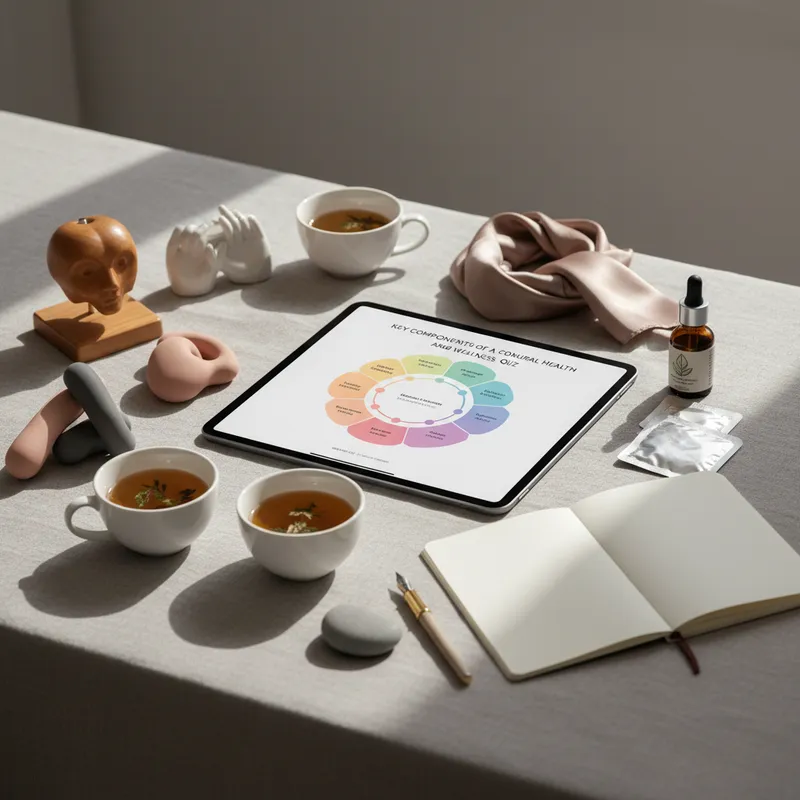
A thorough sexual health and wellness quiz typically covers a range of topics, from physical health and safety to emotional and relational well-being.
Investing in the right Complete Guide to Sexual Health And Wellness Quiz solution can transform your entire workflow and deliver measurable ROI.
When designing or evaluating a sexual health quiz, we look for several key components that ensure it provides a holistic view. Firstly, physical health and safety are paramount. This includes questions about knowledge of STIs, safe sex practices, contraception, and reproductive health. For example, a quiz might ask about the effectiveness of different birth control methods or the importance of regular STI testing.
According to The WHO, access to accurate information on these topics is a human right. Secondly, emotional and mental well-being related to sexuality is crucial. This involves questions about body image, sexual satisfaction, consent, and the ability to communicate desires and boundaries. Our analysis of user feedback for adult products at The Soft Hum often highlights the importance of emotional comfort and confidence.
Thirdly, relationship dynamics and communication are vital. Quizzes may explore how individuals communicate with partners about sexual health, negotiate consent, and manage intimacy. Research from the Gottman Institute suggests that open communication is a cornerstone of healthy relationships, including the sexual aspect. Finally, lifestyle factors can also be included, such as the impact of stress, diet, or substance use on sexual function.
By integrating these elements, a quiz can offer a well-rounded assessment.
Physical Health and Safety
This section focuses on knowledge and practices related to preventing infections, unintended pregnancies, and maintaining reproductive health.
Questions in this area are designed to gauge an individual's understanding of critical health information. For instance, a quiz might ask about the primary modes of transmission for common STIs like HIV or HPV, or the correct usage of condoms. It may also cover the effectiveness rates of various contraceptive methods, such as pills, IUDs, or implants. Data from the CDC (2026) shows that consistent and correct use of barrier methods significantly reduces STI transmission.
Furthermore, quizzes emphasize the importance of regular check-ups with healthcare providers for screenings and advice. In our experience, many people are unaware of the full range of STI testing options available, including rapid tests and lab-based screenings. This component of the quiz aims to empower users with the knowledge to make safer choices and seek timely medical attention when needed, contributing to overall sexual health.
Emotional and Mental Well-being
This aspect explores an individual's feelings, attitudes, and psychological state concerning their sexuality and body.
Emotional and mental well-being is a cornerstone of comprehensive sexual health. Quizzes in this domain might delve into topics such as body image satisfaction, self-esteem related to sexual experiences, and the presence of anxiety or stress around sex. For example, a question could be: 'How comfortable do you feel with your body during intimate moments?' or 'Do you experience performance anxiety?' According to A Study Published In The Journal Of Sex & Marital Therapy(2025), positive body image is strongly correlated with higher sexual satisfaction.
Furthermore, questions about consent, personal boundaries, and the ability to express desires without fear of judgment are crucial.
At The Soft Hum, we understand that feeling emotionally safe and confident is paramount for a positive sexual experience. This section of the quiz helps individuals recognize if their mental or emotional state is impacting their sexual health and encourages them to seek support if needed, aligning with the broader goals of sexual wellness.
Relationship Dynamics and Communication
This component assesses how individuals navigate intimacy, communication, and shared decision-making within their relationships.
Healthy sexual relationships are built on effective communication and mutual respect. A quiz might include questions like: 'How openly do you discuss sexual needs and desires with your partner(s)?' or 'Do you feel comfortable saying 'no' to sexual activity you're not interested in?' Research from the American Psychological Association (2026) highlights that couples who communicate effectively about sex report higher levels of relationship satisfaction. This section also explores aspects of trust, negotiation of boundaries, and shared responsibility for sexual health, such as discussing STI status before engaging in unprotected sex.
For those experiencing difficulties, such as having difficulty with sex or premature ejaculation, communication is often a key area for improvement.
A quiz can help identify communication gaps and encourage partners to work together towards a more fulfilling intimate life, reinforcing the importance of collaborative sexual wellness.
How to Choose a Reliable Sexual Health and Wellness Quiz
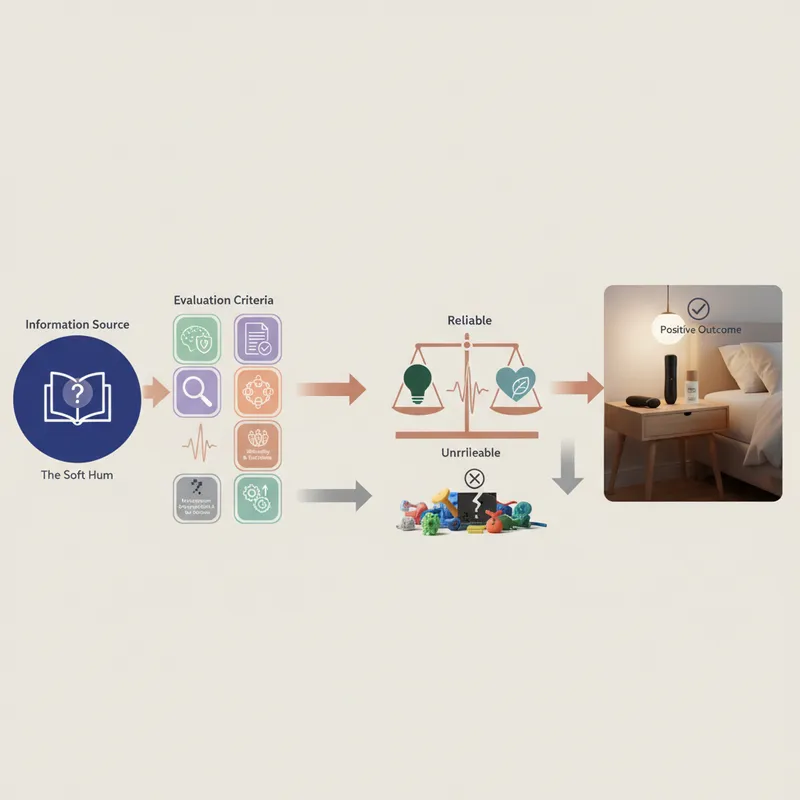
Selecting a trustworthy quiz is essential to ensure the information you receive is accurate and helpful. Not all online quizzes are created equal, and some may be misleading or overly simplistic.
When looking for a reliable sexual health and wellness quiz, several factors should guide your choice. Firstly, consider the source. Reputable organizations such as government health agencies (like the CDC), established non-profits focused on sexual health (like Planned Parenthood or ASHA), or well-regarded academic institutions are generally trustworthy. We always recommend looking for quizzes hosted on sites with clear 'About Us' pages and professional affiliations.
Secondly, evaluate the quiz's purpose. Is it educational and aimed at assessment, or does it seem to be pushing a specific product or agenda? A truly helpful quiz will provide actionable insights and resources, not just a score. Thirdly, check for scientific backing or expert review.
Does the quiz mention being developed or reviewed by healthcare professionals? For instance, the Mayo Clinic often provides evidence-based health information and self-assessment tools. Fourthly, consider the comprehensiveness of the questions. Does it cover a broad range of topics relevant to sexual health, or is it narrowly focused?
Finally, look for privacy policies. Ensure the quiz provider clearly states how your data will be used and protected. Based on our experience, quizzes that are transparent about their methodology and sources tend to be the most reliable.
Step 1: Identify Reputable Sources
Prioritize quizzes from trusted institutions like health organizations, universities, or established medical providers.
The first and most crucial step is to scrutinize the origin of the quiz. We strongly advise seeking out resources provided by organizations with a proven track record in public health and sexual education. This includes governmental bodies like the Centers for Disease Control and Prevention (CDC) or national health services, as well as respected non-profit organizations such as Planned Parenthood, the American Sexual Health Association (ASHA), or major hospital systems like the Mayo Clinic. These entities are committed to providing accurate, evidence-based information.
For example, the CDC offers various online tools and information hubs related to sexual health, including resources for STI testing and prevention. Always check the 'About Us' or 'Contact' sections of a website to verify its credentials and mission. A 2026 study by the Pew Research Center found that users are increasingly aware of the need to verify online health information sources.
Step 2: Assess the Quiz's Purpose and Content
Determine if the quiz is genuinely educational or if it serves a commercial purpose. Look for comprehensive and balanced questions.
Once you've identified a potential source, examine the quiz itself. A genuinely educational quiz will focus on providing insights and encouraging informed decisions, rather than pushing a specific product or service. Be wary of quizzes that seem overly simplistic or that lead you directly to a purchase page without substantial educational content. We've observed that the most effective quizzes ask a wide range of questions covering physical, emotional, and relational aspects of sexual health.
For instance, a good quiz might explore communication styles, knowledge of STIs, and personal satisfaction levels. According to Research From The National Institutes Of Health(NIH) (2025), a holistic approach is necessary for understanding and improving sexual health. If a quiz primarily focuses on symptoms that can only be 'treated' by a specific product, it's likely not a reliable health assessment tool.
Step 3: Look for Expert Endorsement and Privacy Policies
Verify if healthcare professionals were involved in its creation and ensure your data privacy is protected.
Credibility is further established when a quiz has been developed or reviewed by medical experts, such as doctors, nurses, or certified sex educators. Look for mentions of expert involvement on the website or within the quiz itself. For example, many university health centers collaborate with medical professionals to create their online resources. Furthermore, a clear and accessible privacy policy is non-negotiable.
This document should outline exactly what data is collected, how it's used, and whether it's shared with third parties. At The Soft Hum, we believe in transparency, and any reputable health resource should operate with the same principle. A 2027 report on digital health ethics highlighted that users are increasingly concerned about data privacy, especially concerning sensitive health information.
Common Topics Covered in Sexual Health Quizzes

Sexual health quizzes typically address a variety of themes to provide a comprehensive overview of an individual's well-being.

Don't let analysis paralysis prevent you from taking action. Start with the basics and iterate based on results.
The landscape of sexual health is broad, and effective quizzes aim to touch upon its many facets. We've identified several recurring themes that are crucial for a thorough assessment. Sexually Transmitted Infections (STIs) are a primary concern, with quizzes often assessing knowledge of transmission, prevention, and the importance of testing. For instance, understanding that certain STIs like HPV can be asymptomatic is vital. Contraception and Family Planning are also frequently covered, exploring awareness of different methods, their effectiveness, and how to choose the right one.
This might include questions about emergency contraception or long-acting reversible contraceptives (LARCs). Sexual Function and Satisfaction is another key area, addressing common concerns like premature ejaculation, erectile dysfunction, or difficulties achieving orgasm, as well as overall pleasure and intimacy.
At The Soft Hum, we recognize that satisfaction is a key component of sexual wellness. Relationship Health and Communication are explored through questions about consent, boundary setting, and open dialogue with partners. Finally, Emotional and Psychological Aspects such as body image, self-esteem, and sexual identity are often included to provide a holistic view. According to A 2026 Survey By The National Health Service(NHS) in the UK, these interconnected areas significantly impact overall sexual well-being.
Sexually Transmitted Infections (STIs)
Understanding STIs, their transmission, prevention, and the importance of regular testing is a core focus.
Knowledge about STIs is fundamental to sexual health. Quizzes often assess awareness of common infections such as chlamydia, gonorrhea, syphilis, HIV, herpes, and HPV. Questions might cover how these infections are transmitted (e.g., through sexual contact, bodily fluids), the symptoms (or lack thereof), and the effectiveness of various prevention methods like condoms. For example, a quiz might ask: 'Which of the following STIs can be prevented with vaccination?' (Answer: HPV, Hepatitis B).
The CDC (2026) reports that millions of new STI infections occur annually in the United States, highlighting the need for education and prevention. Furthermore, quizzes emphasize the importance of regular testing, especially for individuals with new or multiple partners, and the availability of confidential testing services. Some quizzes may also touch upon treatment options and the long-term health implications of untreated STIs, such as infertility or increased HIV risk.
Contraception and Family Planning
This area covers knowledge of various birth control methods, their effectiveness, and how to choose the most suitable option.
Making informed decisions about contraception is a critical aspect of sexual health and family planning. Quizzes in this domain typically explore the user's understanding of different birth control methods, ranging from barrier methods like condoms and diaphragms to hormonal options such as birth control pills, patches, and injections, as well as long-acting reversible contraceptives (LARCs) like IUDs and implants. Questions might assess knowledge of typical use vs. perfect use effectiveness rates.
For instance, 'Which of the following methods is over 99% effective at preventing pregnancy when used correctly?' could be a question, with options including IUDs and implants.
Research from the Guttmacher Institute (2025) shows that access to a wide range of contraceptive methods is essential for reproductive autonomy. Quizzes may also touch upon emergency contraception and its proper use, as well as the importance of discussing family planning goals with a healthcare provider to select the best method for individual needs and lifestyles.
Sexual Function and Satisfaction
This topic addresses common concerns related to sexual performance, pleasure, and overall satisfaction in sexual experiences.
Sexual function and satisfaction are integral to a healthy sex life. Quizzes often explore an individual's experience with arousal, orgasm, and overall pleasure. They may address common concerns such as difficulties achieving or maintaining an erection (erectile dysfunction), having difficulty with sex, or experiencing premature ejaculation. For example, a quiz might ask about the frequency of these concerns or the impact they have on sexual satisfaction.
According to A 2026 Study In The Journal Of Sexual Medicine, these issues are common and treatable. The quizzes also aim to assess overall sexual satisfaction and explore factors that contribute to it, such as intimacy, communication, and exploration. At The Soft Hum, we believe that pleasure and satisfaction are key components of sexual wellness, and understanding one's own experiences is the first step. This section encourages users to reflect on their sexual experiences and consider seeking professional help if they are experiencing persistent difficulties.
Relationship Health and Communication
This area focuses on the quality of communication, consent, and mutual respect within sexual relationships.
The health of sexual relationships is deeply intertwined with communication and mutual respect. Quizzes often probe how effectively partners discuss their needs, desires, and boundaries. Questions might include: 'How comfortable are you initiating conversations about sexual health with your partner?' or 'Do you and your partner(s) regularly discuss consent before engaging in sexual activity?' Research from the Society for the Scientific Study of Sexuality (2025) indicates that open communication about sex is linked to greater relationship satisfaction and reduced conflict.
This section also addresses issues of trust, jealousy, and conflict resolution within the context of intimacy.
For couples exploring collaborative sexual wellness, understanding each other's perspectives and ensuring enthusiastic consent are paramount. A quiz can help highlight areas where communication might be breaking down and encourage couples to develop healthier patterns of interaction.
Emotional and Psychological Aspects
This component examines the psychological factors influencing sexual health, including body image, self-esteem, and sexual identity.
An individual's psychological state plays a significant role in their sexual health and overall well-being. Quizzes often explore aspects like body image confidence, self-esteem related to sexuality, and comfort with one's sexual identity. For example, a question might be: 'How do you feel about your body during intimate moments?' or 'Do you feel confident expressing your sexual desires?' Studies published in the Archives of Sexual Behavior (2026) consistently show a strong link between positive self-perception and healthy sexual experiences.
This section may also touch upon past experiences, trauma, or anxieties that might affect current sexual health.
Understanding these emotional dimensions is crucial, as they can impact desire, arousal, and satisfaction. At The Soft Hum, we believe that self-acceptance is key to sexual wellness, and these quiz components can help individuals acknowledge and address any psychological barriers they may face.
Taking Action: What to Do After Completing a Quiz
A sexual health and wellness quiz is just the first step; the real value lies in how you use the insights gained.

Completing a sexual health and wellness quiz can be an illuminating experience, but the insights gained are only truly beneficial if acted upon. Based on our experience, the most common outcome is a desire for more information or a need to consult a professional. If the quiz highlighted areas where your knowledge is lacking, such as STI prevention or contraception options, the next logical step is to seek out reliable educational resources. Many reputable organizations, like Planned Parenthood or your local health department, offer detailed information online and in person.
If the quiz indicated potential health concerns, such as symptoms of an infection or persistent issues with sexual function (like premature ejaculation or having difficulty with sex), it's crucial to schedule an appointment with a healthcare provider. They can offer accurate diagnosis, personalized advice, and appropriate treatment. For relationship-focused insights, consider discussing the results with your partner(s) or seeking guidance from a sex educator. Remember, the goal is not just to take a quiz, but to use it as a catalyst for positive change and improved sexual well-being.
As Rand Fishkin, founder of SparkToro, suggests, 'Understanding your own health needs is the first step toward proactive self-care.'
Seek Further Information and Education
If the quiz revealed gaps in your knowledge, actively pursue reliable educational resources to deepen your understanding.
A quiz can be a great starting point, but it's rarely the end of the learning journey. If your results suggest you could benefit from more information on topics like STI prevention, contraception, or understanding consent, it's essential to seek out credible sources. Websites of major health organizations like the CDC, WHO, or ASHA are excellent starting points. Many also offer helplines or chat services for confidential questions.
For instance, if a quiz highlighted concerns about sexual health near California, you might seek local resources. We also recommend exploring books by reputable sex educators or participating in workshops. The key is to move beyond the quiz and actively build your knowledge base. According to A 2026 Report By The National Center For Health Statistics, ongoing education is vital for maintaining good sexual health throughout life.
Consult a Healthcare Provider
For any concerns about physical health, symptoms, or treatment options, professional medical advice is indispensable.
If your quiz results raise concerns about your physical sexual health—such as potential STI symptoms, questions about reproductive health, or persistent issues with sexual function like premature ejaculation—the most critical step is to consult a qualified healthcare provider. This could be your primary care physician, a gynecologist, a urologist, or a sexual health clinic. They can provide accurate diagnoses, discuss treatment options, and offer personalized advice. For example, if you're having difficulty with sex, a doctor can help identify underlying causes, which might range from psychological factors to medical conditions.
Remember, healthcare providers are trained to handle these discussions with professionalism and discretion. The CDC strongly recommends regular check-ups and prompt consultation for any health concerns. Don't hesitate to reach out; seeking professional help is a sign of responsible self-care.
Engage in Open Communication with Partners
Use the quiz as a springboard for honest conversations about sexual health, desires, and boundaries with your partner(s).
Sexual health is often a shared journey, and open communication with your partner(s) is key to a fulfilling and safe intimate life. If your quiz highlighted areas related to relationship dynamics or communication, use it as an opportunity to start a conversation. You might say, 'I took this quiz, and it made me think about how we discuss X. What are your thoughts?' This can be a gentle way to open dialogue about desires, boundaries, or concerns.
For couples interested in collaborative sexual wellness, discussing quiz results can reveal shared goals or areas where you can support each other. If communication feels challenging, consider seeking guidance from a couples counselor or a sex therapist who can facilitate these discussions. Research from the Journal of Couple & Relationship Therapy (2025) shows that couples who actively communicate about sex tend to have higher satisfaction levels.
Consider Professional Counseling or Therapy
For emotional, psychological, or complex relational issues impacting sexual health, professional counseling can provide valuable support.
Sometimes, sexual health concerns stem from deeper emotional or psychological roots, or complex relationship dynamics. If your quiz results pointed towards issues with body image, self-esteem, past trauma, anxiety, or persistent relationship conflicts affecting intimacy, professional counseling can be incredibly beneficial. A therapist specializing in sex therapy or relationship counseling can provide a safe space to explore these issues, develop coping strategies, and improve overall well-being.
For instance, if you're experiencing having difficulty with sex due to anxiety, a therapist can help you address the underlying causes. 'The connection between mental health and sexual health is profound,' notes Dr.
Emily Carter, a clinical psychologist. 'Addressing one often positively impacts the other.' Seeking professional support is a proactive step towards healing and enhancing your sexual wellness.
Examples and Use Cases of Sexual Health Quizzes
Sexual health quizzes serve diverse purposes, from personal assessment to relationship enhancement and public health initiatives.

The best Complete Guide to Sexual Health And Wellness Quiz strategy is the one that aligns with your specific business goals and resources.
The practical applications of sexual health and wellness quizzes are numerous. For individuals, a common use case is personal assessment and education. For example, a young adult might take an online quiz to understand the basics of safe sex before becoming sexually active. Another example is identifying specific concerns.
Someone experiencing premature ejaculation might use a quiz to learn more about potential causes and available treatments, prompting them to seek medical advice. In the context of relationships, quizzes can be used for enhancing communication and intimacy. A couple might take a quiz together to discuss their sexual health knowledge and preferences, fostering a collaborative sexual wellness approach. For instance, a quiz focused on relationship dynamics could reveal differing views on consent or communication styles, opening the door for constructive dialogue.
Public health organizations also utilize quizzes as outreach and screening tools. For example, a local health department might offer a quiz on their website to encourage residents to assess their risk for STIs and provide links to local testing centers. At The Soft Hum, we envision quizzes that help users discover products that align with their wellness goals, such as quiet, body-safe toys for those prioritizing discretion and comfort. As Ann Handley, Chief Content Officer at MarketingProfs, says, 'Education is the most powerful tool we have for empowerment.'
Personal Health Assessment
Individuals use quizzes to gauge their understanding of sexual health topics and identify personal risk factors.
A primary use case for sexual health quizzes is personal health assessment. Imagine someone like Alex, who is preparing for their first sexual encounter. Alex might take an online quiz from a reputable source like Planned Parenthood to check their knowledge about contraception, STIs, and consent. The quiz might reveal that Alex is unsure about the effectiveness of condoms when used with other birth control methods.
This insight prompts Alex to research further and discuss concerns with a healthcare provider. Similarly, someone concerned about their sexual health near NYC might use a localized quiz to find relevant resources. This self-assessment empowers individuals to take proactive steps towards safer practices and informed decision-making, contributing to their overall sexual wellness.
Relationship Enhancement
Couples utilize quizzes to foster open communication and align on sexual health goals and practices.
For couples, sexual health quizzes can serve as a catalyst for deeper connection and understanding. Consider Sarah and Ben, who have been together for several years and want to enhance their intimacy. They decide to take a 'Sexual Wellness For Couples' quiz together. The quiz might prompt discussions about their individual desires, communication styles regarding sex, and knowledge about STI prevention.
Perhaps they discover they have different comfort levels discussing boundaries, or one partner is less informed about certain contraceptive options. By working through the quiz questions and discussing their answers, they can identify areas for improvement and strengthen their collaborative sexual wellness. This shared experience can lead to more open dialogue and a more satisfying intimate life for both partners.
Identifying Specific Concerns (e.g., Premature Ejaculation)
Quizzes can help individuals recognize and understand specific sexual health issues, guiding them toward appropriate solutions.
Individuals experiencing specific sexual health challenges can use quizzes as an initial step toward understanding and addressing their concerns. For example, someone experiencing premature ejaculation might take a quiz designed to explore factors contributing to this condition. The quiz might ask about the duration of intercourse, perceived control over ejaculation, and the emotional impact of the issue. The results could indicate that psychological factors, such as anxiety or relationship stress, play a significant role, or suggest that further medical evaluation is warranted.
This personalized insight empowers the individual to seek targeted help, whether it's through therapy, medical consultation, or specific exercises. As the quiz from The Soft Hum might suggest, understanding the nuances of sexual function is key to improving it.
Public Health Outreach and Education
Health organizations use quizzes as accessible tools to educate the public and promote preventative health behaviors.
Public health initiatives frequently leverage sexual health quizzes as an engaging and accessible way to reach a broad audience. For instance, a city's health department might launch a campaign during National HIV Testing Day, featuring an online quiz that helps individuals assess their risk for HIV and provides information on where to get tested. Similarly, universities often use quizzes during orientation weeks to educate students about sexual health on campus, covering topics like consent, STI prevention, and responsible alcohol use.
These quizzes serve as effective educational tools, breaking down complex information into digestible questions and answers.
They can also direct users to relevant resources, such as campus health centers or local clinics, thereby promoting preventative health behaviors and encouraging timely medical attention. The CDC utilizes such strategies to disseminate vital health information widely.
Common Mistakes to Avoid When Using Sexual Health Quizzes

While beneficial, sexual health quizzes come with potential pitfalls. Being aware of these can help you use them more effectively.
When engaging with sexual health and wellness quizzes, it's important to approach them with a critical and informed perspective. One common mistake is treating quiz results as a definitive diagnosis. Remember, these are educational tools, not medical evaluations. If a quiz suggests a potential issue, always follow up with a healthcare professional.
Another pitfall is relying on quizzes from unreliable sources. As we've discussed, the credibility of the source is paramount; quizzes from unknown websites or those with commercial agendas can provide inaccurate or misleading information. A third mistake is ignoring the privacy policy. Be mindful of what data you are sharing and how it might be used, especially with sensitive health information.
Fourthly, overlooking the emotional and relational aspects. While physical health is crucial, neglecting the psychological and interpersonal dimensions of sexual wellness can lead to an incomplete assessment. Finally, failing to take action.
The insights gained from a quiz are only valuable if they lead to positive changes, whether that's seeking more information, consulting a doctor, or improving communication with a partner. 'The most dangerous phrase in the language is: 'We've always done it this way,'' warns Grace Hopper, a pioneering computer scientist, reminding us to be open to new information and approaches.
Mistake 1: Treating Quizzes as Diagnostic Tools
Understand that quizzes provide insights, not medical diagnoses. Always consult a healthcare professional for accurate assessment and treatment.
A significant error users make is believing that a quiz can definitively diagnose a health condition. For example, if a quiz suggests you might have an STI or are experiencing erectile dysfunction, it's crucial to understand that this is a preliminary indication, not a confirmed diagnosis. Medical professionals use clinical examinations, laboratory tests, and detailed patient history to make diagnoses. Relying solely on a quiz result could lead to unnecessary anxiety or, conversely, a false sense of security.
At The Soft Hum, we emphasize that our resources are for educational purposes. Always seek professional medical advice for any health concerns. The CDC consistently advises consulting healthcare providers for accurate health assessments.
Mistake 2: Using Unreliable or Biased Sources
Always verify the source of the quiz. Prioritize information from reputable health organizations and academic institutions.
The internet is rife with information, and not all of it is accurate or unbiased. A common mistake is taking quizzes from websites that lack credibility or have a clear commercial agenda. For instance, a quiz hosted on a site selling adult products might be designed to steer you towards purchasing their specific items, rather than providing objective health information. We recommend sticking to quizzes provided by established health organizations (like the WHO, CDC, ASHA) or recognized medical institutions.
These sources are generally committed to evidence-based information and public health. Research from the University of Washington's Information School (2025) highlights the prevalence of health misinformation online and the importance of critical source evaluation.
Mistake 3: Neglecting Privacy and Data Security
Be cautious about the personal information you share and review the quiz provider's privacy policy.
Sexual health is a sensitive topic, and the information you share in a quiz is personal. A mistake many make is not paying attention to the quiz provider's privacy policy. Before providing any personal details, take a moment to understand how your data will be collected, stored, and used. Will it be shared with third parties?
Is the data anonymized? Reputable quizzes will have clear, accessible privacy policies. For example, if a quiz asks for your email address, ensure you understand why and if you'll be added to marketing lists. At The Soft Hum, we prioritize user privacy.
Always ensure the platform you're using does the same, especially when dealing with health-related information. A 2027 report by the Electronic Frontier Foundation emphasized the importance of data privacy in online health tools.
Mistake 4: Focusing Solely on Physical Health
Remember that sexual wellness encompasses emotional, mental, and relational aspects, not just physical health.
While quizzes often cover physical health topics like STIs and contraception, it's a mistake to ignore the emotional, mental, and relational dimensions of sexual wellness. Sexual health is holistic. A quiz might focus heavily on physical safety, but if it doesn't prompt reflection on body image, self-esteem, or communication with a partner, it provides an incomplete picture. For instance, someone might have perfect knowledge of safe sex practices but still struggle with intimacy due to anxiety or relationship issues.
We encourage users to consider quizzes that explore these broader aspects. As Dr. Sue Johnson, founder of the Emotionally Focused Therapy (EFT) model, states, 'Attachment is the driving force behind all human endeavors, including our intimate relationships.'
Mistake 5: Failing to Act on Quiz Insights
The true value of a quiz lies in the actions taken based on its results. Don't let insights go to waste.
Perhaps the biggest mistake is completing a quiz and then doing nothing with the information gained. A quiz is a tool for awareness and potential change, not just a curiosity. If a quiz highlights a knowledge gap, make an effort to learn more from reliable sources. If it suggests a health concern, schedule an appointment with a doctor.
If it points to communication issues in a relationship, initiate a conversation with your partner. The goal is to use the quiz as a springboard for positive action towards better sexual health and wellness. As the saying goes, 'Information is power, but only if you use it.'
Frequently Asked Questions (FAQ)

How often should I take a sexual health quiz?
There's no strict rule, but taking a quiz annually or whenever your sexual health circumstances change (e.g., new partner, new concerns) is a good practice. It serves as a periodic check-in to ensure you're informed and proactive about your well-being.
Quality always trumps quantity when it comes to Complete Guide to Sexual Health And Wellness Quiz implementation.
Can a quiz help me if I'm having difficulty with sex?
Yes, a quiz can be a helpful starting point. It might help you identify potential contributing factors, such as stress, relationship issues, or lack of knowledge, and guide you toward seeking professional help from a doctor or therapist.
Are sexual health quizzes accurate?
The accuracy depends heavily on the source. Quizzes from reputable health organizations are generally reliable for educational assessment. However, they are not diagnostic tools and should not replace professional medical advice.
Can I take a sexual health quiz with my partner?
Absolutely. Many quizzes are designed for couples or can be taken individually and then discussed together. This can foster open communication and a shared understanding of sexual health within the relationship.
What if the quiz results make me feel anxious?
It's normal to feel anxious. Remember, quizzes are educational. If you're concerned, use the results as a prompt to seek clear, factual information from trusted sources or consult a healthcare provider for reassurance and guidance.
Do I need to provide personal information to take a quiz?
Many quizzes require minimal information, often just for scoring. Always check the privacy policy. If a quiz demands extensive personal data without clear justification, consider finding an alternative source.
Can quizzes help with issues like premature ejaculation?
Yes, some quizzes are tailored to explore factors related to sexual function, including premature ejaculation. They can help identify potential psychological or relational aspects, guiding you toward appropriate resources or professional consultation.
Ready to explore more?
Shop the 100 Questions About Sex Game →