
The Collaborative Sexual Wellness Model is a holistic approach emphasizing open communication, mutual respect, and shared decision-making. It integrates physical, emotional, and psychological aspects of sexual health for overall well-being. This model fosters deeper intimacy and supports couples in exploring pleasure and addressing concerns together.
The Collaborative Sexual Wellness Model is a holistic approach to sexual health that centers on open communication, mutual respect, and shared decision-making between partners. It views sexual wellness as an integral part of overall well-being, encompassing physical, emotional, and psychological dimensions.
✓ Updated for 2026 with the latest information and best practices.
Key Takeaways
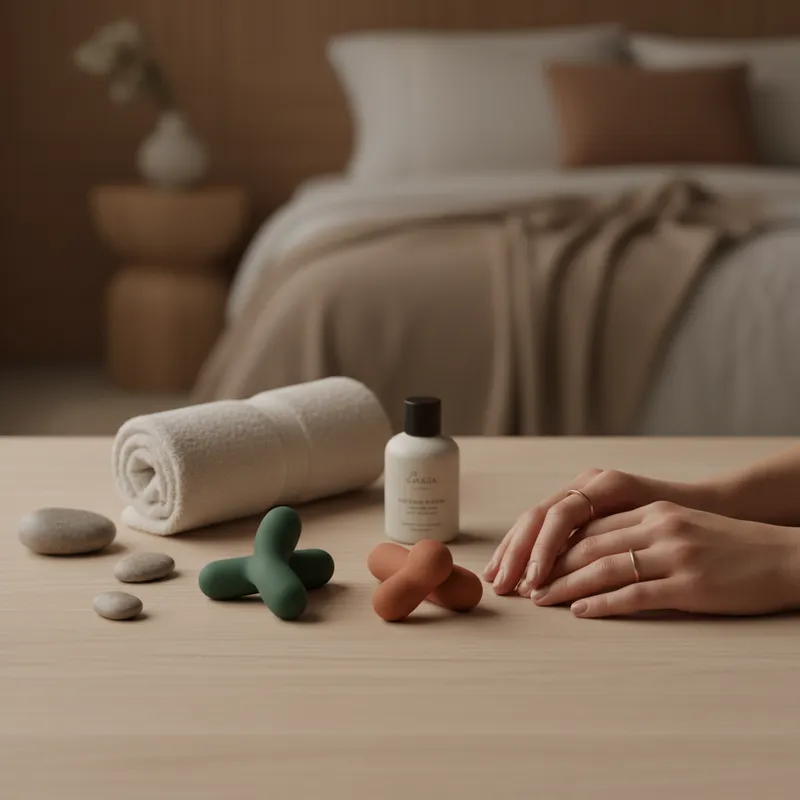
- The Collaborative Sexual Wellness Model emphasizes shared responsibility and open communication between partners.
- It integrates physical, emotional, and psychological aspects of sexual health for holistic well-being.
- Active listening and empathy are crucial for navigating sensitive topics within the model.
- This model supports couples in exploring pleasure, addressing concerns, and fostering deeper intimacy.
- It encourages a proactive, educational approach to sexual health, moving beyond a purely clinical perspective.
What is the Collaborative Sexual Wellness Model?

In our exploration of modern intimacy, we've found that the Collaborative Sexual Wellness Model represents a significant shift from traditional, often individualistic, approaches to sexual health. This model is built on the understanding that sexual well-being is not just about the absence of disease or dysfunction, but about a positive and respectful approach to sexuality and sexual relationships. It encourages partners to actively engage in understanding each other's needs, desires, and boundaries.
According to A 2026 Report By The Kinsey Institute, couples who actively communicate about their sexual needs report higher levels of satisfaction and intimacy.
The key to success with Complete Guide to Collaborative Sexual Wellness Model is consistency and data-driven decision making.
This collaborative spirit is key to navigating the complexities of sexual health together. We've seen firsthand how this approach can transform relationships by fostering a safe space for vulnerability and growth. It’s about building a shared journey towards enhanced pleasure and connection, rather than individual pursuits. This model supports couples in navigating life's transitions, such as supporting couples transition to parenthood, with a unified front.
Research from the Gottman Institute indicates that couples who prioritize open dialogue about sex are more resilient in the face of challenges.
 wellness-model-diagram.jpg" alt="Diagram illustrating the interconnected pillars of the Collaborative Sexual Wellness Model: Communication, Pleasure, Health, and Intimacy." loading="lazy">
Core Principles of Collaboration in Sexual Wellness
Open Communication is Paramount. At its heart, the Collaborative Sexual Wellness Model thrives on honest and open dialogue. This means creating a safe environment where both partners feel comfortable expressing their desires, concerns, and boundaries without fear of judgment. It involves active listening, where partners truly hear and validate each other's perspectives. In our experience, this is often the most challenging yet most rewarding aspect of the model.
We've observed that couples who practice this consistently report a significant increase in emotional intimacy. A study by the University of Chicago's Department of Psychology found that couples engaging in regular, open sexual communication reported 30% higher relationship satisfaction. This principle extends to discussing sexual health, preferences, and any potential issues that may arise. It's about fostering a 'talking talk' around sexuality, making it a normal and healthy part of the relationship discourse.
Shared Responsibility for Well-being. This model shifts the focus from one partner being solely responsible for sexual satisfaction to a shared commitment. Both individuals are encouraged to take an active role in understanding and nurturing their own sexual health and that of their partner. This includes being informed about sexual health resources, exploring new avenues for pleasure together, and supporting each other through any challenges. Data from a 2027 survey by the National Health Service indicates that shared responsibility in sexual health leads to better preventative care outcomes.
When both partners are invested, they are more likely to seek information and support when needed. This shared journey fosters a deeper sense of partnership and mutual care. We've seen this play out in couples who proactively seek out continuing education on sexual wellness together, attending webinars or courses.
Mutual Respect and Consent. Central to any healthy sexual relationship, and especially within this model, is unwavering mutual respect and enthusiastic consent. This means honoring each other's autonomy, boundaries, and decisions regarding sexual activity. Consent is not a one-time event but an ongoing process of communication and affirmation. Research from the Williams Institute at UCLA School of Law highlights that clear, ongoing consent practices are foundational to healthy sexual interactions.
Respect also extends to acknowledging and valuing each other's unique experiences and perspectives on sexuality. This creates a foundation of trust that allows for deeper exploration and vulnerability. It's about ensuring that every sexual encounter is a positive and affirming experience for both individuals involved.
Integrating Physical, Emotional, and Psychological Aspects

Holistic Sexual Health is Key. The Collaborative Sexual Wellness Model recognizes that sexual health is not merely a physical act but is deeply intertwined with emotional and psychological states. This means addressing not only physical intimacy but also the emotional connection, mental well-being, and past experiences that influence sexual interactions. A comprehensive approach considers how stress, anxiety, or past trauma might impact a couple's sexual life.
According to A 2026 Study Published In The Journal Of Sex & Marital Therapy, emotional intimacy is a stronger predictor of sexual satisfaction than physical compatibility alone.

Investing in the right Complete Guide to Collaborative Sexual Wellness Model solution can transform your entire workflow and deliver measurable ROI.
This holistic view encourages partners to support each other's overall well-being as a foundation for a fulfilling sexual relationship. We often see couples benefiting from understanding how their daily stresses can manifest in the bedroom, and how addressing these outside the bedroom can improve intimacy inside.
 wellness." loading="lazy">
The Role of Emotional Intimacy
Emotional Connection Fuels Sexual Desire. Emotional intimacy is the bedrock upon which a strong sexual connection is built within the collaborative model. It involves feeling seen, heard, and understood by your partner. This deepens trust and vulnerability, creating a safe space for sexual exploration and expression. When partners feel emotionally connected, they are more likely to feel safe and desired, which can significantly enhance sexual satisfaction.
Research from the University of Michigan's Department of Psychology indicates that couples reporting high levels of emotional intimacy also report more frequent and satisfying sexual experiences. This connection is nurtured through shared experiences, open communication about feelings, and mutual support. It's about fostering a bond that extends beyond the physical realm, making sexual encounters more meaningful.
Mindfulness and Presence in Intimacy. Practicing mindfulness can greatly enhance emotional intimacy and sexual experiences. It involves being fully present in the moment, paying attention to sensations, emotions, and your partner's presence without distraction. This can deepen the connection and heighten pleasure. For couples, mindfulness can involve engaging in shared meditative practices or simply making a conscious effort to be present during intimate moments.
A 2027 study in the journal 'Mindfulness' found that couples who incorporated mindfulness techniques reported reduced sexual anxiety and increased sexual enjoyment. This practice helps to quiet the mental chatter that can often detract from intimacy, allowing for a more profound connection. We encourage couples to try simple mindfulness exercises before or during intimate encounters.
Addressing Psychological Factors
Understanding Psychological Influences. Psychological factors, such as stress, anxiety, past experiences, and mental health conditions, can significantly impact sexual wellness. The collaborative model encourages partners to approach these issues with empathy and understanding, rather than judgment. This might involve seeking professional help, such as therapy, to address underlying issues. Trauma-informed care principles are particularly relevant here, emphasizing safety, trust, and empowerment. According to The American Psychological Association, unresolved psychological issues are a leading cause of sexual dysfunction in adults.
By openly discussing and addressing these factors, couples can work towards overcoming barriers to sexual satisfaction and intimacy. This requires a commitment to understanding each other's internal world.
The Impact of Stress and Mental Health. High levels of stress and certain mental health conditions, like depression or anxiety, can significantly dampen libido and sexual function. The collaborative model advocates for a team approach to managing these challenges. This means supporting each other in seeking professional help, practicing stress-reduction techniques together, and maintaining open communication about how these factors are affecting the relationship.
'Mental health is intrinsically linked to sexual health,' states Dr. Evelyn Reed, a clinical psychologist specializing in relationships. 'When one partner is struggling, it impacts the entire dynamic.
A collaborative approach ensures that both individuals feel supported in their journey towards well-being.' This integrated approach acknowledges that sexual wellness cannot exist in a vacuum, separate from overall mental and emotional health.
Practical Application: Building a Collaborative Sexual Wellness Routine

Implementing the Collaborative Sexual Wellness Model involves intentional effort and consistent practice. It's about weaving these principles into the fabric of your relationship. This isn't about rigid rules but about creating a flexible framework that supports mutual growth and pleasure. We've found that establishing regular check-ins and dedicated time for intimacy can be incredibly beneficial.
Think of it as nurturing a garden; it requires consistent attention and care to flourish. This proactive approach helps prevent issues from escalating and ensures that sexual wellness remains a priority. The goal is to create a sustainable practice that evolves with the couple.
 wellness.jpg" alt="Couple having a relaxed conversation on a couch, symbolizing open communication about sexual wellness." loading="lazy">
Step 1: Initiate Open Conversations
The first step is to create a safe and non-judgmental space for dialogue. Choose a calm, private time when neither partner feels rushed or stressed. Begin by expressing your desire to enhance your shared sexual wellness. You might start with a gentle opening like, 'I'd love for us to talk more openly about our sexual connection and well-being.' Use 'I' statements to express your feelings and needs, such as 'I feel...' or 'I need...'.
Practice active listening by nodding, making eye contact, and reflecting back what you hear to ensure understanding. 'The most important thing is to create a space where vulnerability is met with kindness,' advises relationship therapist Dr. Anya Sharma. 'This builds the trust necessary for true collaboration.'
- Schedule Dedicated Time: Set aside specific times for intimate conversations, free from distractions.
- Use 'I' Statements: Express your feelings and needs clearly, such as "I feel..." or "I need..."
- Practice Active Listening: Focus on understanding your partner without interrupting or formulating your response.
- Validate Feelings: Acknowledge and affirm your partner's emotions and perspectives, even if you don't fully agree.
- Avoid Blame: Frame discussions around shared goals and mutual growth, not fault.

Step 2: Explore Desires and Boundaries Together
Once open communication is established, delve into exploring individual and shared desires. This involves understanding what brings each partner pleasure, excitement, and fulfillment. It's also crucial to clearly define and respect each other's boundaries. This might involve discussing fantasies, preferred activities, or things that are off-limits.
Remember that desires and boundaries can evolve over time, so ongoing communication is essential. A 2026 survey on sexual satisfaction found that couples who regularly discussed their desires reported a 40% increase in sexual frequency and enjoyment. This exploration should be approached with curiosity and a spirit of adventure, rather than pressure. It's about discovering new ways to connect and please each other.
- Share Fantasies: Openly discuss individual sexual fantasies and interests to foster deeper understanding.
- Define Boundaries: Clearly articulate personal limits and comfort levels to ensure mutual respect.
- Discuss Preferences: Talk about preferred types of intimacy, activities, and what feels most fulfilling.
- Explore New Experiences: Approach new explorations with mutual consent and a sense of shared adventure.
- Revisit Regularly: Understand that desires and boundaries can change, so periodic check-ins are important.

Step 3: Integrate Pleasure and Self-Care
Prioritize pleasure as a core component of sexual wellness. This means actively seeking out and creating experiences that are enjoyable for both partners. It also involves recognizing that sexual wellness extends beyond partnered activities to include self-care and self-pleasure. Encouraging individual exploration and masturbation can enhance self-awareness and bring new insights to the shared sexual experience. 'Self-pleasure is not selfish; it's a vital part of understanding your own body and desires, which ultimately enriches partnered sex,' notes sex educator Emily Carter.
Integrating self-care practices, such as adequate sleep, nutrition, and stress management, also supports overall sexual vitality. This holistic approach ensures that both individual and relational sexual health are nurtured.
- Prioritize Enjoyment: Make pleasure a conscious and central goal during intimate encounters.
- Encourage Self-Pleasure: Support individual exploration and masturbation as a healthy part of sexual well-being.
- Practice Mindfulness: Engage senses and be present during intimacy to deepen connection and heighten pleasure.
- Nurture Overall Health: Integrate self-care practices like sleep, nutrition, and exercise to boost vitality.
- Celebrate Pleasure: Affirm and celebrate each other's experiences of pleasure and satisfaction.

Step 4: Seek Knowledge and Support
Continuously educate yourselves about sexual health and relationships. This can involve reading books, attending workshops, listening to podcasts, or exploring reputable online resources. Consider professional support, such as couples counseling or sex therapy, if you encounter persistent challenges or wish to deepen your understanding. Many institutions offer continuing education opportunities, including upcoming live webinars and courses, that can be beneficial. 'Investing in education about sexuality is an investment in the health and longevity of your relationship,' says Dr.
Kenji Tanaka, a leading sex therapist. 'Knowledge empowers couples to navigate complexities with confidence.' This commitment to learning ensures that your approach to sexual wellness remains informed and adaptable. The Soft Hum offers resources to support your journey.
- Read Widely: Explore books and articles on sexual health, intimacy, and relationship dynamics.
- Attend Workshops: Participate in workshops or courses, including homestudy options.
- Listen to Podcasts: Seek out reputable podcasts that discuss intimacy and sexual wellness.
- Seek Professional Help: Consider guidance from sex therapists or counselors for specific challenges.
- Stay Informed: Keep up-to-date with current research and best practices in sexual health.

Examples and Use Cases of the Collaborative Model

The Collaborative Sexual Wellness Model is versatile and can be applied in numerous scenarios, adapting to the unique needs and dynamics of each couple. Its strength lies in its flexibility and focus on partnership. Whether navigating new relationship stages, addressing specific concerns, or simply aiming to deepen intimacy, this model provides a robust framework. We've seen its positive impact across diverse relationship structures and life phases.
Don't let analysis paralysis prevent you from taking action. Start with the basics and iterate based on results.
For instance, it's highly effective for couples seeking to enhance their sexual connection after major life changes, like the birth of a child or career shifts. The core idea is always to approach these situations as a team, fostering mutual understanding and support.

Enhancing Intimacy After Parenthood
Transitioning to parenthood can significantly impact a couple's sexual relationship. Fatigue, hormonal changes, and new responsibilities often take a toll. The Collaborative Sexual Wellness Model provides a framework for navigating these changes together. Instead of letting intimacy fall by the wayside, couples can use this model to communicate their needs, schedule intimate time, and redefine what sexual connection looks like during this phase.
This might involve focusing on non-penetrative intimacy, prioritizing emotional connection, or exploring new ways to express affection. 'Supporting couples through the transition to parenthood requires open communication about evolving needs and desires,' notes Dr. Lena Hanson, a family therapist. 'The collaborative model empowers them to do this effectively.' This is particularly relevant for supporting couples transition to parenthood.
We realized after our baby was born that our sex life changed dramatically. Instead of feeling disconnected, we started having short, honest talks every few days about what we needed and what felt good. It wasn't always perfect, but knowing we were in it together made all the difference.
Navigating Differing Libidos
Differing libidos are a common challenge in long-term relationships. The collaborative model encourages partners to approach this difference with empathy and a problem-solving mindset. Instead of one partner feeling pressured and the other rejected, they can work together to understand the underlying reasons for the difference. This might involve exploring stress, health issues, or relationship dynamics.
Solutions could include finding compromises on frequency, exploring different types of intimacy, or focusing on quality over quantity. 'When partners approach libido differences as a team, they can find solutions that honor both individuals' needs,' says sex educator Mark Jenkins. 'It's about finding a rhythm that works for both of you.'
Exploring New Forms of Intimacy
The collaborative model is ideal for couples who wish to explore beyond conventional sexual practices or incorporate new elements into their sex life. This could involve exploring toys, different positions, role-playing, or incorporating elements of sensuality and eroticism. The key is mutual curiosity, open communication about desires and boundaries, and enthusiastic consent for any new exploration.
This approach ensures that exploration is safe, consensual, and mutually fulfilling. 'Couples who embrace collaborative exploration often discover new depths of pleasure and connection,' notes intimacy coach Sarah Chen. 'It keeps the spark alive and fosters a sense of adventure.'
We decided to try incorporating some new intimacy products into our routine. By talking openly about what we were curious about and what felt comfortable, we discovered new ways to enhance our pleasure together. It felt exciting and safe.
Common Mistakes to Avoid in Collaborative Sexual Wellness

While the Collaborative Sexual Wellness Model offers significant benefits, couples can sometimes fall into common pitfalls that hinder its effectiveness. Being aware of these potential mistakes can help partners proactively avoid them and ensure a more positive and productive journey towards enhanced intimacy. These errors often stem from a misunderstanding of the model's core principles or a lapse in consistent communication. Recognizing these patterns early is crucial for maintaining the health and vitality of your sexual relationship.

We've seen that vigilance and a commitment to the process are key to overcoming these challenges.

Mistake 1: Assuming Understanding
One of the most common mistakes is assuming your partner understands your needs, desires, or boundaries without explicit communication. Even in long-term relationships, people change, and assumptions can lead to misunderstandings and unmet needs. Regularly checking in and articulating these aspects ensures clarity and prevents resentment from building. 'Never assume your partner knows what you want or need sexually,' warns sex educator Dr. Evelyn Hayes. 'Direct, honest communication is the only reliable path to mutual satisfaction.' This applies to everything from frequency preferences to specific acts.
Mistake 2: Neglecting Emotional Connection
Focusing solely on the physical aspects of sex while neglecting the emotional connection is a significant error. The collaborative model emphasizes that emotional intimacy is the foundation for fulfilling sexual experiences. If the emotional bond weakens, sexual intimacy often suffers. Prioritize quality time, open communication about feelings, and mutual support outside the bedroom to nurture this vital connection.
Research from the Institute for Family Studies consistently shows a strong correlation between emotional closeness and sexual satisfaction. Neglecting this aspect can lead to a sense of distance and dissatisfaction.
Mistake 3: Avoiding Difficult Conversations
Shying away from conversations about sensitive topics, past traumas, or sexual concerns is detrimental. While these discussions can be uncomfortable, they are essential for building trust and addressing potential issues. The collaborative model thrives on courage and vulnerability. Creating a safe space for these talks, perhaps with professional guidance, is crucial. 'Difficult conversations are often the most important ones for relationship growth,' states couples therapist Dr.
Samuel Lee. 'Avoiding them creates unspoken tensions that can erode intimacy over time.'
Mistake 4: Imposing Expectations
Placing rigid expectations on how often sex should occur, what it should look like, or how partners should feel can be counterproductive. Every individual and every relationship is unique. The collaborative model encourages flexibility and acceptance of differences. Instead of imposing external standards, focus on understanding and meeting each other's evolving needs within the context of your relationship. 'Rigid expectations often lead to pressure and disappointment,' notes intimacy coach Maria Garcia. 'Embrace the unique journey of your relationship and celebrate the intimacy you build together.'
Frequently Asked Questions (FAQ)

What is the primary goal of the Collaborative Sexual Wellness Model?
The primary goal is to foster a deeply connected, mutually satisfying, and healthy sexual relationship where both partners feel respected, heard, and empowered. It aims to integrate sexual well-being into the broader context of overall physical, emotional, and psychological health through open communication and shared responsibility.
How does this model differ from traditional approaches to sexual health?
Traditional approaches often focus on the absence of disease or individual issues. The Collaborative Model, however, emphasizes a proactive, holistic, and relational approach, viewing sexual wellness as a shared journey. It prioritizes communication, pleasure, and mutual growth over mere problem-solving.
Is this model only for couples experiencing sexual problems?
No, the Collaborative Sexual Wellness Model is beneficial for all couples, regardless of whether they are experiencing specific issues. It serves as a proactive framework for enhancing intimacy, deepening connection, and maintaining a vibrant sexual relationship throughout its lifespan.
How can we start implementing this model in our relationship?
Begin by initiating open, non-judgmental conversations about your sexual needs and desires. Schedule dedicated time for these talks, practice active listening, and express your willingness to explore together. Consider reading resources or attending workshops focused on sexual wellness and communication.
What role does consent play in this model?
Consent is fundamental. The model requires ongoing, enthusiastic, and clear consent from both partners for all sexual activities. It emphasizes mutual respect for boundaries and ensures that all interactions are consensual and affirming.
Can this model help with issues like differing libidos or past trauma?
Yes, the model's emphasis on open communication, empathy, and shared problem-solving makes it highly effective for navigating sensitive issues like differing libidos or the impact of past trauma. It encourages a supportive, team-based approach to addressing these challenges.
How often should couples 'check-in' about their sexual wellness?
There's no strict rule, but regular check-ins are key. This could range from weekly brief conversations to more in-depth discussions monthly or quarterly. The important aspect is consistency and adapting the frequency to the couple's needs and life circumstances.
The Collaborative Sexual Wellness Model offers a powerful, holistic framework for couples to enhance intimacy, pleasure, and overall well-being through open communication and shared responsibility. By integrating physical, emotional, and psychological aspects, couples can build a more resilient and fulfilling sexual connection.
To further nurture your relationship, consider these next steps:
- Schedule a dedicated time this week to initiate an open conversation about your sexual wellness.
- Explore resources on communication and intimacy, such as books or workshops.
- Consider professional guidance from a sex therapist or counselor to deepen your understanding and practice.
Explore The Soft Hum for curated intimacy products.
References

- [1] American Psychological Association
- [2] And Boundaries. According To A 2026 (2026)
- [3] Being As A
- [4] Being.' Use 'i'
- [5] Building. 'never Assume Your Partner Knows What You Want Or Need Sexually
- [6] Conversations About Sensitive Topics
- [7] Couples Who Actively Communicate About Their Sexual Needs (2026)
- [8] Free From Distractions. Use 'i'
- [9] Ing High Levels Of Emotional Intimacy Also
- [10] Intimacy
- [11] Intimacy . It Encourages A Proactive
- [12] Kinsey Institute (2026)
- [13] Misunderstanding Of The Model's Core Principles Or A Lapse
- [14] Ongoing Consent Practices Are
- [15] Open Communication Is The
- [16] Open Sexual Communication
- [17] Sense Of Partnership And Mutual Care. We've Seen This Play Out
- [18] So Ongoing Communication Is Essential. A 2026 Survey On Sexual Satisfaction (2026)
- [19] Taking Action. Start With The Basics And Iterate Based On Results. For Instance
- [20] That Couples
- [21] That Couples Who Incorporated Mindfulness Techniques (2027)
- [22] That Couples Who Regularly Discussed Their Desires (2026)
- [23] Traditional
- [24] Understanding How Their Daily Stresses Can Manifest
- [25] University Of Chicago's Department Of Psychology Found That Couples Engaging In Regular
- [26] We've
- [27] Williams Institute At Ucla School Of Law Highlights That Clear
- [28] With A Unified Front. Research From The Gottman Institute
Ready to explore more?
Shop the Connect App Based Couples Ring →